How to Use Retinol Without Drying Out Your Skin

“Adopt the pace of nature: her secret is patience.” — Ralph Waldo Emerson
Retinol has become one of those skincare ingredients we hear about everywhere. It's recommended for fine lines, wrinkles, uneven skin tone, and just about every other change we notice in our skin as we get older.
With all those benefits, it's easy to understand why so many women want to give it a try. But there's one little problem. Retinol can leave your skin feeling dry, tight, or irritated, particularly when you're first getting started. And if your skin is already drier than it used to be, that isn't exactly appealing.
You may even have a bottle of retinol sitting in your bathroom cabinet because you tried it once, didn't like how your skin felt, and decided it wasn't for you.
Before you give up on it altogether, there's something worth knowing. You don't necessarily need a stronger product or a more complicated skincare routine to enjoy the benefits of retinol. Sometimes, a few small changes in how you use it can make all the difference.
Here are six simple ways to help you use retinol while keeping your skin feeling soft and comfortable.
1. A Gentle Cleanser
You might not think your cleanser has much to do with how your skin responds to retinol, but it can make a difference.
Some cleansers remove so much of your skin's natural oils that your face feels tight or dry afterward.
“Adopt the pace of nature: her secret is patience.” — Ralph Waldo Emerson
Retinol has become one of those skincare ingredients we hear about everywhere.
It's recommended for fine lines, wrinkles, uneven skin tone, and just about every other change we notice in our skin as we get older.
With all those benefits, it's easy to understand why so many women want to give it a try. But there's one little problem.
Retinol can leave your skin feeling dry, tight, or irritated, particularly when you're first getting started. And if your skin is already drier than it used to be, that isn't exactly appealing.
You may even have a bottle of retinol sitting in your bathroom cabinet because you tried it once, didn't like how your skin felt, and decided it wasn't for you.
Before you give up on it altogether, there's something worth knowing.
You don't necessarily need a stronger product or a more complicated skincare routine to enjoy the benefits of retinol.
Sometimes, a few small changes in how you use it can make all the difference.
Here are six simple ways to help you use retinol while keeping your skin feeling soft and comfortable.
1. Start With a Gentle Cleanser
You might not think your cleanser has much to do with how your skin responds to retinol, but it can make a difference.
Some cleansers remove so much of your skin's natural oils that your face feels tight or dry afterward.
Add retinol to skin that's already feeling uncomfortable, and you may be setting yourself up for more irritation.
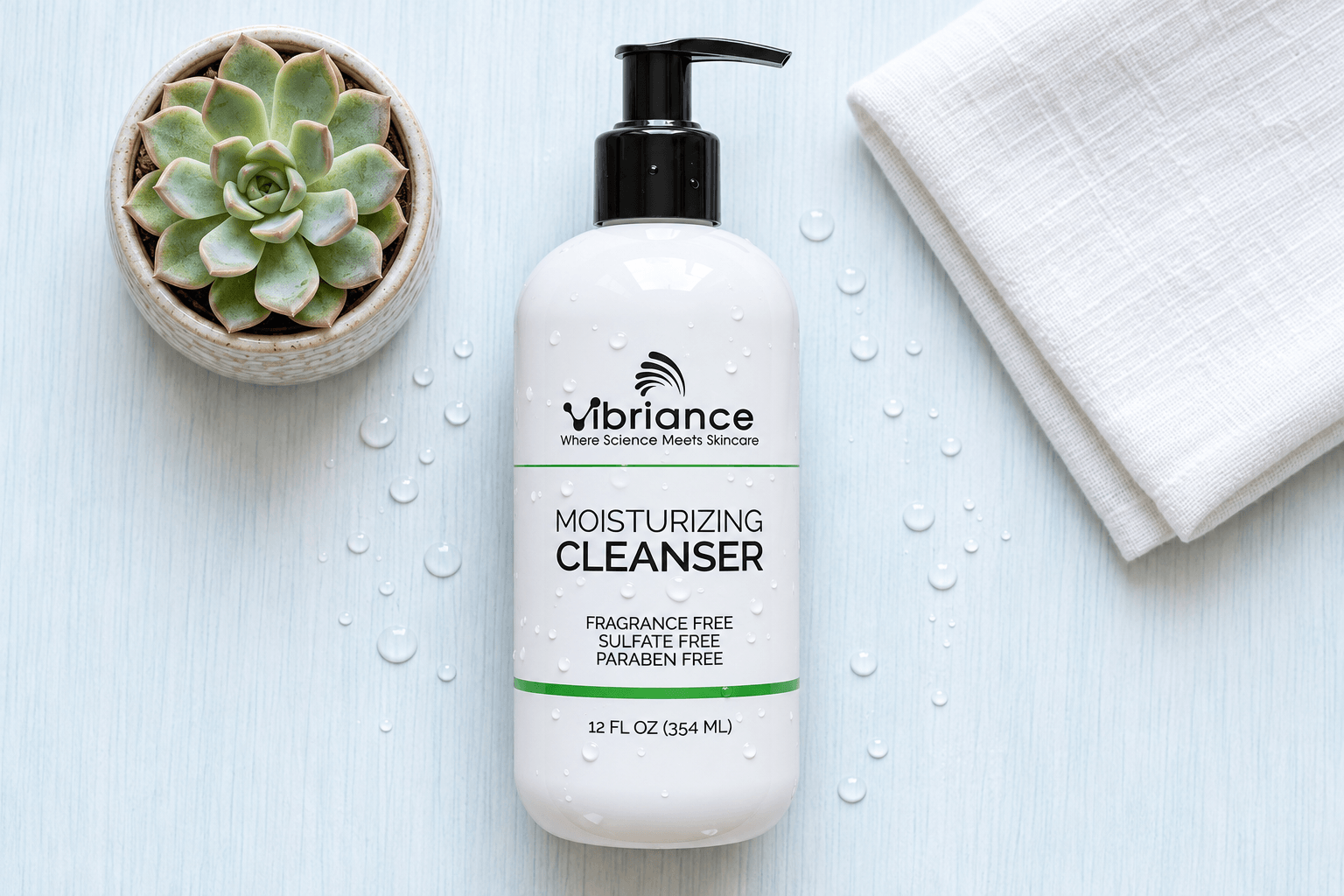
Instead, choose a gentle cleanser that removes dirt, makeup, and everyday buildup without leaving your skin feeling stripped. Vibriance Moisturizing Cleanser is a lovely way to begin your evening skincare routine, helping you cleanse while keeping your skin feeling comfortable.
And pay attention to your water temperature. A steaming-hot washcloth may feel wonderful at the end of a long day, but very hot water can contribute to dryness. Lukewarm water and a gentle touch are all you need.
Add retinol to skin that's already feeling uncomfortable, and you may be setting yourself up for more irritation.
Instead, choose a gentle cleanser that removes dirt, makeup, and everyday buildup without leaving your skin feeling stripped.
Vibriance Moisturizing Cleanser is a lovely way to begin your evening skincare routine, helping you cleanse while keeping your skin feeling comfortable.
And pay attention to your water temperature. A steaming-hot washcloth may feel wonderful at the end of a long day, but very hot water can contribute to dryness. Lukewarm water and a gentle touch are all you need.
2. Give Your Skin Time
When you're excited about a new skincare product, it's tempting to use it every night.
After all, if a little is good, wouldn't more be better? Not necessarily, especially with retinol.
Your skin needs time to adjust, and using retinol too frequently right away can lead to dryness, redness, or peeling.
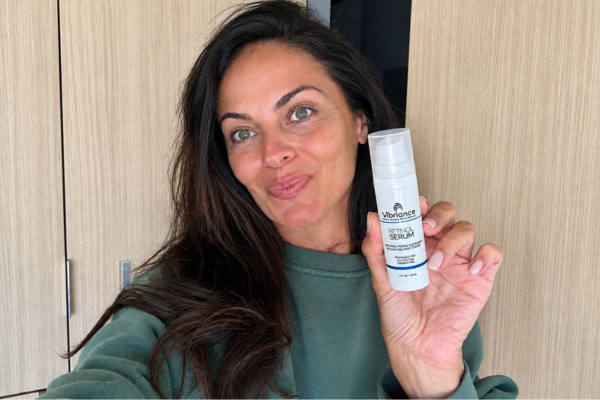
If you're new to retinol, Vibriance Retinol Serum is perfect for mature skin. Consider starting with just two nights a week, spaced a few days apart.
If your skin stays comfortable, you can gradually increase how often you use it, following the product directions. There's no need to rush.
Some women find that using retinol a few nights a week works beautifully for them, while others eventually feel comfortable using it more often. The important thing is finding a routine your skin can tolerate consistently.

3. Apply Retinol to Dry Skin
Here's a small detail that's easy to overlook.
After washing your face, you may be in the habit of applying your skincare products while your skin is still slightly damp.
2. Give Your Skin Time to Get Used to Retinol
When you're excited about a new skincare product, it's tempting to use it every night. After all, if a little is good, wouldn't more be better?
Not necessarily, especially with retinol. Your skin needs time to adjust, and using retinol too frequently right away can lead to dryness, redness, or peeling.
If you're new to retinol, Vibriance Retinol Serum is perfect for mature skin. Consider starting with just two nights a week, spaced a few days apart.
If your skin stays comfortable, you can gradually increase how often you use it, following the product directions. There's no need to rush.
Some women find that using retinol a few nights a week works beautifully for them, while others eventually feel comfortable using it more often. The important thing is finding a routine your skin can tolerate consistently.
1. Start With a Gentle Cleanser
You might not think your cleanser has much to do with how your skin responds to retinol, but it can make a difference.
Some cleansers remove so much of your skin's natural oils that your face feels tight or dry afterward.
Add retinol to skin that's already feeling uncomfortable, and you may be setting yourself up for more irritation.
Instead, choose a gentle cleanser that removes dirt, makeup, and everyday buildup without leaving your skin feeling stripped.
Vibriance Moisturizing Cleanser is a lovely way to begin your evening skincare routine, helping you cleanse while keeping your skin feeling comfortable.
And pay attention to your water temperature. A steaming-hot washcloth may feel wonderful at the end of a long day, but very hot water can contribute to dryness.
Lukewarm water and a gentle touch are all you need.
That's often helpful when you're applying moisturizer, but retinol is a little different.
Damp skin can allow retinol to penetrate more readily, which may increase the chance of stinging, redness, or irritation.
Instead, gently pat your face dry after cleansing and wait until your skin is completely dry before applying retinol. Then use a thin, even layer, following the amount recommended on the product label.
Applying extra won't give you better results, and it may leave your skin feeling less comfortable. A little patience and a light touch can make a difference.
2. Give Your Skin Time
When you're excited about a new skincare product, it's tempting to use it every night.
After all, if a little is good, wouldn't more be better? Not necessarily, especially with retinol.
Your skin needs time to adjust, and using retinol too frequently right away can lead to dryness, redness, or peeling.
If you're new to retinol, Vibriance Retinol Serum is perfect for mature skin. Consider starting with just two nights a week, spaced a few days apart.
If your skin stays comfortable, you can gradually increase how often you use it, following the product directions. There's no need to rush.
Some women find that using retinol a few nights a week works beautifully for them, while others eventually feel comfortable using it more often.
The important thing is finding a routine your skin can tolerate consistently.
3. Apply Retinol to Dry Skin
Here's a small detail that's easy to overlook. After washing your face, you may be in the habit of applying your skincare products while your skin is still slightly damp.
That's often helpful when you're applying moisturizer, but retinol is a little different.
Damp skin can allow retinol to penetrate more readily, which may increase the chance of stinging, redness, or irritation.
Instead, gently pat your face dry after cleansing and wait until your skin is completely dry before applying retinol. Then use a thin, even layer, following the amount recommended on the product label.
Applying extra won't give you better results, and it may leave your skin feeling less comfortable. A little patience and a light touch can make a difference.
4. Moisturize
If there's one step you shouldn't skip when using retinol, it's moisturizing.
Retinol can temporarily contribute to dryness as your skin adjusts, and mature skin may already have a harder time holding on to moisture.
A good moisturizer supports your skin's protective barrier and reduces moisture loss, keeping your complexion feeling softer and more comfortable.
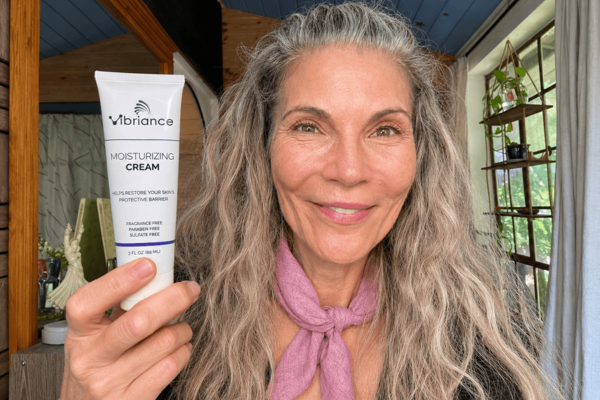
After applying retinol, follow with Vibriance Moisturizing Cream to give your skin the moisture it needs. If your skin is particularly sensitive, you can also try the “moisturizer sandwich method”.
This involves applying a light layer of moisturizer before retinol, followed by another layer afterward to help make the treatment easier to tolerate. You don't have to make your evening routine complicated.
Sometimes, pairing retinol with a good moisturizer is all it takes to make the experience more comfortable.

5. Give Your Skin a Break
You may already have several skincare products you love, including exfoliating scrubs, brightening treatments, or products containing exfoliating acids.
Combining strong treatments with retinol can irritate your skin.
For example, combining retinol with a strong exfoliating acid or scrub on the same evening may increase the chance of dryness and irritation.
That doesn't mean you have to give up your other products. You may simply need to use them on different days.
And if your skin starts feeling unusually tight, flaky, or sensitive, consider taking a break from retinol and other potentially irritating treatments until it feels comfortable again. Your skincare routine should work with your skin, not leave it struggling to recover.
6. Use Sunscreen
Retinol may be part of your evening skincare routine, but what you do the following morning matters, too.
Daily sunscreen is especially important when treating sun-related skin concerns.
UV exposure contributes to dark spots, wrinkles, and other visible signs of aging. It can also make already-irritated skin feel more uncomfortable. Make sunscreen the final step of your morning skincare routine, after moisturizer and before makeup.
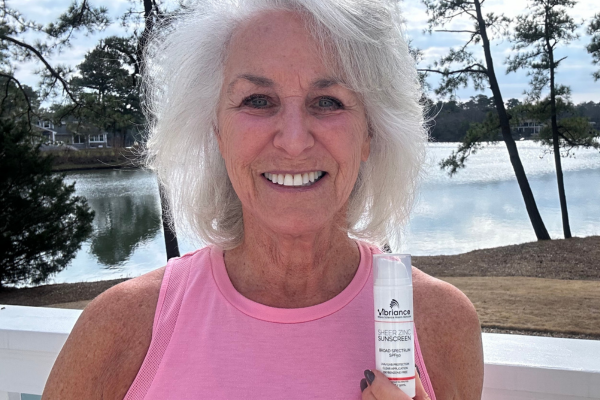
Vibriance Sheer Zinc Sunscreen provides broad-spectrum SPF-50 sun protection while offering a subtle tint for a more even-looking complexion.
And don't forget sunscreen just because it's cloudy, chilly, or you're not planning to spend much time outdoors.
A consistent morning SPF habit helps protect the skin you're working so hard to care for. When you're outside, remember to reapply as directed, generally every two hours.

A Little Patience
One of the biggest mistakes we can make with skincare is expecting too much, too quickly.
Retinol can take weeks or months of consistent use to visibly improve fine lines, uneven skin tone, and texture.
And using more product or applying it more often than your skin can tolerate won't get you there faster. Instead, think of retinol as one part of a thoughtful skincare routine.
Gentle cleansing, gradual introduction, careful application, moisturizing, and daily sun protection can all help you use retinol more comfortably.
If dryness or irritation persists despite these adjustments, stop using the product and check with a dermatologist before trying again.
Your skin doesn't need an aggressive approach to look its best. Sometimes, a little patience and consistency make all the difference. Cheers to Positive Aging!
3. Apply Retinol to Dry Skin
Here's a small detail that's easy to overlook. After washing your face, you may be in the habit of applying your skincare products while your skin is still slightly damp.
That's often helpful when you're applying moisturizer, but retinol is a little different.
Damp skin can allow retinol to penetrate more readily, which may increase the chance of stinging, redness, or irritation.
Instead, gently pat your face dry after cleansing and wait until your skin is completely dry before applying retinol.
Then use a thin, even layer, following the amount recommended on the product label.
Applying extra won't give you better results, and it may leave your skin feeling less comfortable. A little patience and a light touch can make a difference.
4. Don't Forget Your Moisturizer
If there's one step you shouldn't skip when using retinol, it's moisturizing.
Retinol can temporarily contribute to dryness as your skin adjusts, and mature skin may already have a harder time holding on to moisture.
A good moisturizer supports your skin's protective barrier and reduces moisture loss, keeping your complexion feeling softer and more comfortable.
After applying retinol, follow with Vibriance Moisturizing Cream to give your skin the moisture it needs. If your skin is particularly sensitive, you can also try the “moisturizer sandwich method”.
This involves applying a light layer of moisturizer before retinol, followed by another layer afterward to help make the treatment easier to tolerate. You don't have to make your evening routine complicated.
Sometimes, pairing retinol with a good moisturizer is all it takes to make the experience more comfortable.
5. Give Your Skin a Break
You may already have several skincare products you love, including exfoliating scrubs, brightening treatments, or products containing exfoliating acids.
But using too many strong treatments together can be hard on your skin, especially when retinol is part of the routine.
For example, combining retinol with a strong exfoliating acid or scrub on the same evening may increase the chance of dryness and irritation.
That doesn't mean you have to give up your other products. You may simply need to use them on different days. And if your skin starts feeling unusually tight, flaky, or sensitive, consider taking a break from retinol and other potentially irritating treatments until it feels comfortable again. Your skincare routine should work with your skin, not leave it struggling to recover.
6. Apply Sunscreen Every Morning
Retinol may be part of your evening skincare routine, but what you do the following morning matters, too.
Daily sun protection is important for everyone, and it's especially worthwhile when you're using products intended to improve the appearance of sun-related skin changes.
UV exposure contributes to dark spots, wrinkles, and other visible signs of aging.
It can also make already-irritated skin feel more uncomfortable. Make sunscreen the final step of your morning skincare routine, after moisturizer and before makeup.
Vibriance Sheer Zinc Sunscreen provides broad-spectrum SPF-50 sun protection while offering a subtle tint for a more even-looking complexion. And don't forget sunscreen just because it's cloudy, chilly, or you're not planning to spend much time outdoors.
A consistent morning SPF habit helps protect the skin you're working so hard to care for. When you're outside, remember to reapply as directed, generally every two hours.
A Little Patience Goes a Long Way
One of the biggest mistakes we can make with skincare is expecting too much, too quickly.
Retinol isn't an overnight treatment. Improvements in the appearance of fine lines, uneven skin tone, and texture can take weeks or even months of consistent use.
And using more product or applying it more often than your skin can tolerate won't get you there faster. Instead, think of retinol as one part of a thoughtful skincare routine.
Gentle cleansing, gradual introduction, careful application, moisturizing, and daily sun protection can all help you use retinol more comfortably.
If dryness or irritation persists despite these adjustments, stop using the product and check with a dermatologist before trying again.
Your skin doesn't need an aggressive approach to look its best. Sometimes, a little patience and consistency make all the difference. Cheers to Positive Aging!
4. Don't Forget Your Moisturizer
If there's one step you shouldn't skip when using retinol, it's moisturizing.
Retinol can temporarily contribute to dryness as your skin adjusts, and mature skin may already have a harder time holding on to moisture.
A good moisturizer supports your skin's protective barrier and reduces moisture loss, keeping your complexion feeling softer and more comfortable.
After applying retinol, follow with Vibriance Moisturizing Cream to give your skin the moisture it needs. If your skin is particularly sensitive, you can also try the “moisturizer sandwich method”.
This involves applying a light layer of moisturizer before retinol, followed by another layer afterward to help make the treatment easier to tolerate. You don't have to make your evening routine complicated.
Sometimes, pairing retinol with a good moisturizer is all it takes to make the experience more comfortable.
5. Give Your Skin a Break
You may already have several skincare products you love, including exfoliating scrubs, brightening treatments, or products containing exfoliating acids.
But using too many strong treatments together can be hard on your skin, especially when retinol is part of the routine.
For example, combining retinol with a strong exfoliating acid or scrub on the same evening may increase the chance of dryness and irritation.
That doesn't mean you have to give up your other products. You may simply need to use them on different days.
And if your skin starts feeling unusually tight, flaky, or sensitive, consider taking a break from retinol and other potentially irritating treatments until it feels comfortable again.
Your skincare routine should work with your skin, not leave it struggling to recover.
6. Apply Sunscreen Every Morning
Retinol may be part of your evening skincare routine, but what you do the following morning matters, too.
Daily sun protection is important for everyone, and it's especially worthwhile when you're using products intended to improve the appearance of sun-related skin changes.
UV exposure contributes to dark spots, wrinkles, and other visible signs of aging.
It can also make already-irritated skin feel more uncomfortable. Make sunscreen the final step of your morning skincare routine, after moisturizer and before makeup.
Vibriance Sheer Zinc Sunscreen provides broad-spectrum SPF-50 sun protection while offering a subtle tint for a more even-looking complexion.
And don't forget sunscreen just because it's cloudy, chilly, or you're not planning to spend much time outdoors.
A consistent morning SPF habit helps protect the skin you're working so hard to care for.
When you're outside, remember to reapply as directed, generally every two hours.
A Little Patience Goes a Long Way
One of the biggest mistakes we can make with skincare is expecting too much, too quickly.
Retinol isn't an overnight treatment. Improvements in the appearance of fine lines, uneven skin tone, and texture can take weeks or even months of consistent use.
And using more product or applying it more often than your skin can tolerate won't get you there faster.
Instead, think of retinol as one part of a thoughtful skincare routine.
Gentle cleansing, gradual introduction, careful application, moisturizing, and daily sun protection can all help you use retinol more comfortably.
If dryness or irritation persists despite these adjustments, stop using the product and check with a dermatologist before trying again.
Your skin doesn't need an aggressive approach to look its best. Sometimes, a little patience and consistency make all the difference. Cheers to Positive Aging!
CHECK OUT OUR MOST POPULAR CONTENT

5 Tips For Glowing Skin Over 50.

Beauty is Timeless... Not Flawless!

3 Ways To Embrace Aging.

5 Tips For Smooth Lips.

5 Tips For Living A 50+ And Fabulous Life!

3 Easy Steps for a Fresh Faced Look at Any Age.
10 Ways to DIY Your Spa Day at Home.