How to Choose Sunscreen for Mature Skin
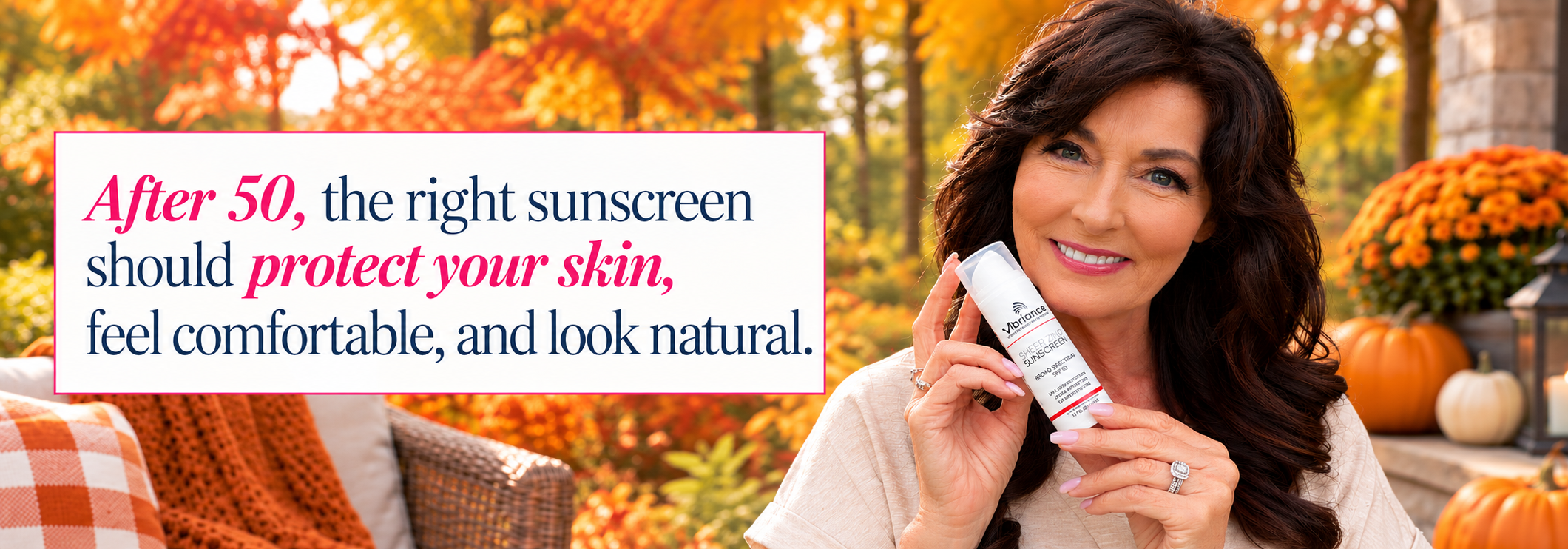
“Invest in your skin. It is going to represent you for a very long time.”
When you were younger, choosing sunscreen may have been as simple as grabbing a bottle before heading to the beach or spending an afternoon outdoors. As long as it offered sun protection, you probably didn't give much thought to how it looked or felt on your skin.
But there's a difference between the sunscreen you slather on your arms and legs and the one you want to wear on your face every day.
While both can provide effective sun protection, facial sunscreens are often formulated to feel lighter, blend more smoothly, and work well with skincare and makeup. And as we get older, those little details can make a big difference.
A sunscreen that works perfectly on your body may leave your face feeling dry, emphasize fine lines, or create a chalky finish that makes applying makeup more difficult.
You may even find yourself skipping sunscreen because you dislike the way it feels on your face. The challenge is finding a sunscreen that offers reliable protection while keeping your skin looking and feeling comfortable. Fortunately, you don't have to sacrifice one for the other.
The right everyday sunscreen can help protect your skin, complement your skincare routine, and even simplify the way you wear makeup. Here are four things to consider when choosing sunscreen for mature skin, and the solution.
1. SPF 50 Protection
The most important job of any sunscreen is protecting your skin from the sun's ultraviolet (UV) rays.
However, all sunscreens aren't created equal, and understanding the label can help you make a better choice.
“Invest in your skin. It is going to represent you for a very long time.”
When you were younger, choosing sunscreen may have been as simple as grabbing a bottle before heading to the beach or spending an afternoon outdoors.
As long as it offered sun protection, you probably didn't give much thought to how it looked or felt on your skin.
But there's a difference between the sunscreen you slather on your arms and legs and the one you want to wear on your face every day.
While both can provide effective sun protection, facial sunscreens are often formulated to feel lighter, blend more smoothly, and work well with skincare and makeup. And as we get older, those little details can make a big difference.
A sunscreen that works perfectly on your body may leave your face feeling dry, emphasize fine lines, or create a chalky finish that makes applying makeup more difficult.
You may even find yourself skipping sunscreen because you dislike the way it feels on your face.
The challenge is finding a sunscreen that offers reliable protection while keeping your skin looking and feeling comfortable. Fortunately, you don't have to sacrifice one for the other.
The right everyday sunscreen can help protect your skin, complement your skincare routine, and even simplify the way you wear makeup. Here are four things to consider when choosing sunscreen for mature skin, and the solution.
1. Look for Broad-Spectrum SPF 50 Protection
The most important job of any sunscreen is protecting your skin from the sun's ultraviolet (UV) rays.
However, all sunscreens aren't created equal, and understanding the label can help you make a better choice.
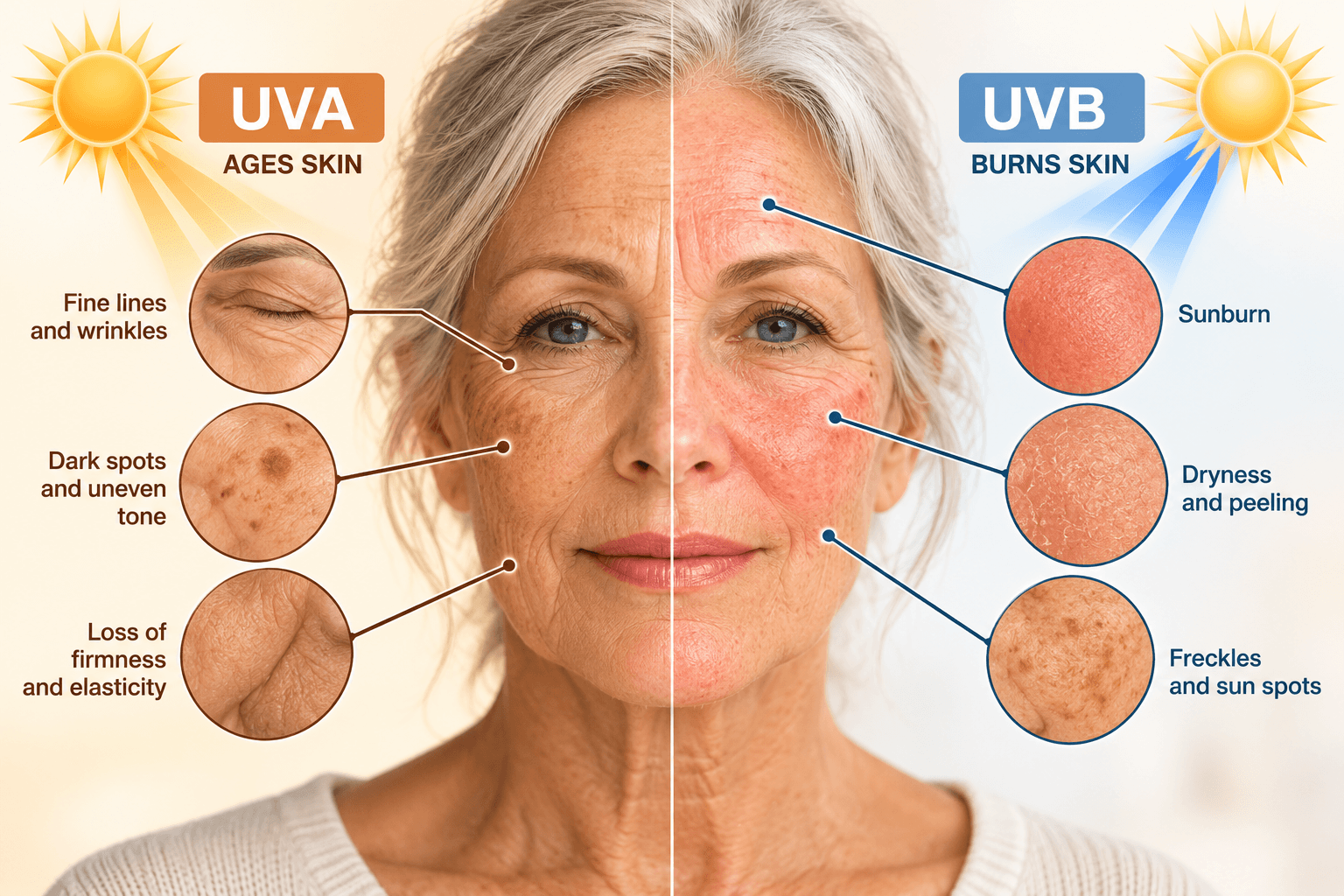
Start by looking for the words "broad spectrum”. This means the sunscreen protects against both types of ultraviolet radiation that affect your skin: UVA and UVB.
Both types of UV radiation can damage your skin, making broad-spectrum protection important at every age. For mature skin, choosing SPF 50 offers an additional margin of protection.
As we age, our skin naturally undergoes changes, including a decline in collagen, elastin, and the fatty tissue that helps support its structure. Skin may become thinner and more fragile, while some of its natural repair processes become less efficient.
These changes make consistent sun protection particularly valuable, especially after years of accumulated sun exposure. SPF 50 filters approximately 98% of UVB rays under laboratory testing conditions, compared with about 97% for SPF 30. That difference may sound small, yet the additional protection can be worthwhile.
Remember that no sunscreen blocks 100% of UV rays. Apply it generously, reapply at least every two hours when outdoors, and use other protective measures such as hats and shade.
2. Hydrating Formula
Have you ever applied sunscreen only to notice that your skin suddenly feels tight or uncomfortable?
As skin matures, it tends to produce less oil and doesn’t retain moisture as well as it used to.
This can leave your complexion feeling drier, particularly during the winter or in dry climates. Some sunscreen formulas can make that dryness more noticeable.
Products that feel excessively matte, powdery, or chalky may leave your skin looking less smooth, especially around the eyes, mouth, and cheeks.
That's why texture and comfort deserve just as much attention as the SPF number. Look for a sunscreen with a moisturizing feel that spreads easily across your skin without leaving it tight or uncomfortable.
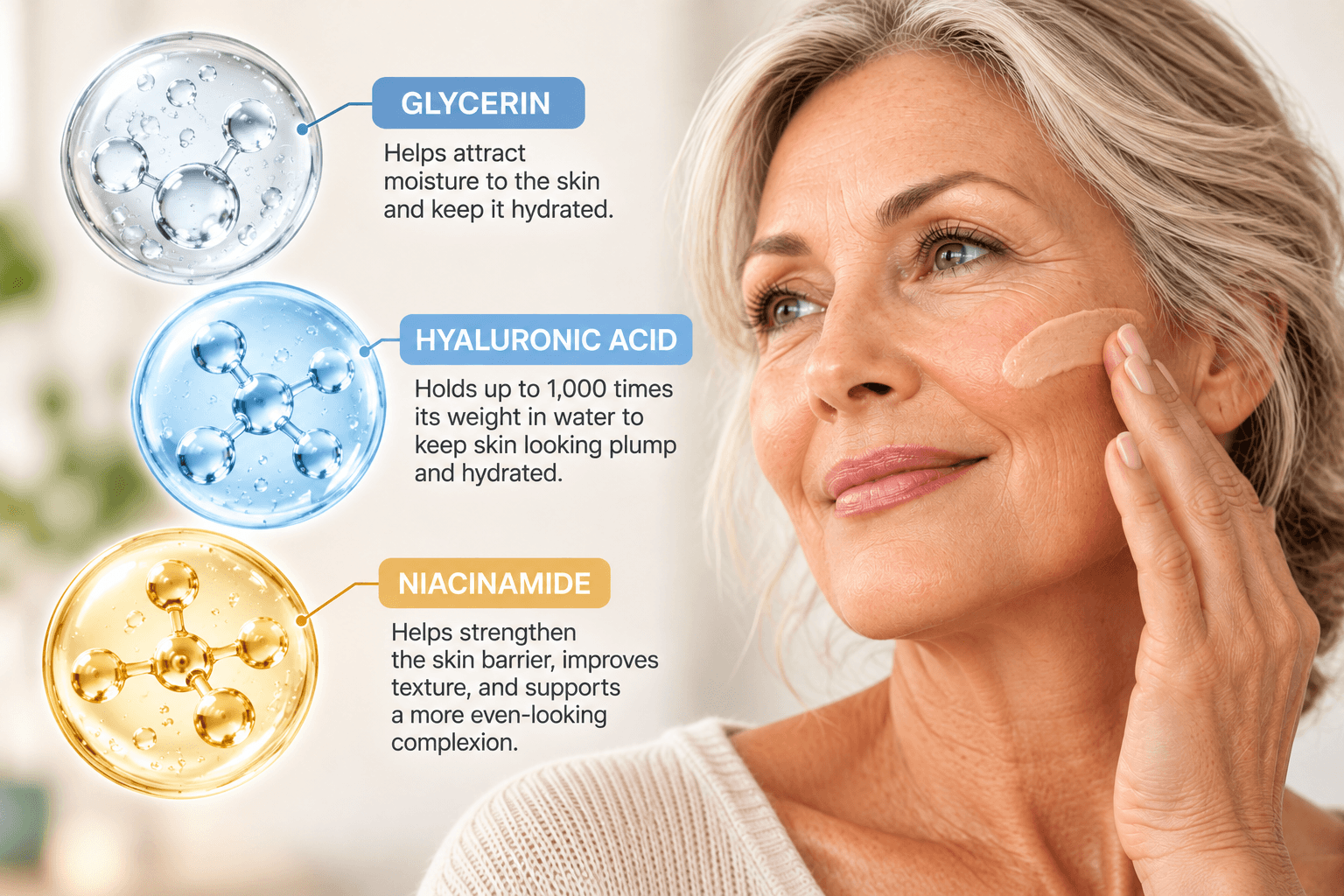
Ingredients such as glycerin, hyaluronic acid, and other moisturizing agents can help support hydration, depending on the formula. You can still apply your regular moisturizer underneath sunscreen, particularly when your skin needs a little extra hydration.
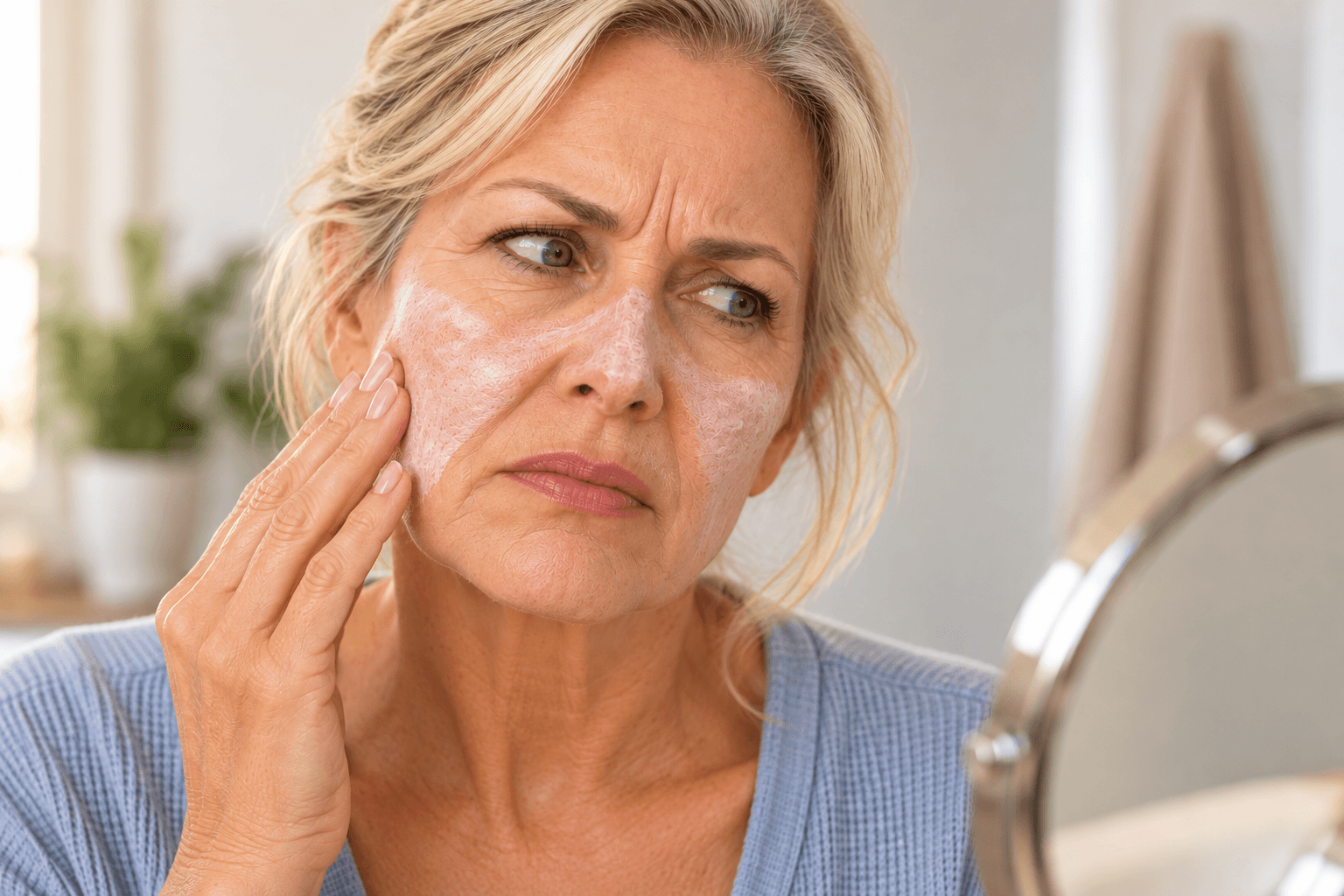
3. Consider the Finish
Protection may be the reason you wear sunscreen, yet its appearance can determine how much you enjoy using it.
You don’t want to look like you are wearing sunscreen; you want your skin to look fresh and natural.
2. Choose a Non-Drying Formula
Have you ever applied sunscreen only to notice that your skin suddenly feels tight or uncomfortable?
As skin matures, it tends to produce less oil and doesn’t retain moisture as well as it used to.
This can leave your complexion feeling drier, particularly during the winter or in dry climates.
Some sunscreen formulas can make that dryness more noticeable.
Products that feel excessively matte, powdery, or chalky may leave your skin looking less smooth, especially around the eyes, mouth, and cheeks.
That's why texture and comfort deserve just as much attention as the SPF number. Look for a sunscreen with a moisturizing feel that spreads easily across your skin without leaving it tight or uncomfortable.
Ingredients such as glycerin, hyaluronic acid, and other moisturizing agents can help support hydration, depending on the formula. You can still apply your regular moisturizer underneath sunscreen, particularly when your skin needs a little extra hydration.
1. Look for Broad-Spectrum SPF 50 Protection
The most important job of any sunscreen is protecting your skin from the sun's ultraviolet (UV) rays.
However, all sunscreens aren't created equal, and understanding the label can help you make a better choice.
Start by looking for the words "broad spectrum”. This means the sunscreen protects against both types of ultraviolet radiation that affect your skin: UVA and UVB.
Both types of UV radiation can damage your skin, making broad-spectrum protection important at every age. For mature skin, choosing SPF 50 offers an additional margin of protection.
As we age, our skin naturally undergoes changes, including a decline in collagen, elastin, and the fatty tissue that helps support its structure.
Skin may become thinner and more fragile, while some of its natural repair processes become less efficient.
These changes make consistent sun protection particularly valuable, especially after years of accumulated sun exposure.
SPF 50 filters approximately 98% of UVB rays under laboratory testing conditions, compared with about 97% for SPF 30.
That difference may sound small, yet the additional protection can be worthwhile. Remember that no sunscreen blocks 100% of UV rays.
Apply it generously, reapply at least every two hours when outdoors, and use other protective measures such as hats and shade.
As we age, changes in skin texture can make certain products settle into fine lines or emphasize areas of dryness.
A thick sunscreen that sits on top of the skin may draw attention to those areas rather than creating the smooth appearance you want.
When testing a new sunscreen, notice how easily it blends and how your skin looks after the product has settled. Does it leave a visible layer? Does it make dry patches stand out? Does your complexion look comfortable and natural?
Keep in mind that mineral sunscreens containing zinc oxide may leave a white cast, depending on their formulation and your skin tone. Tinted options can help reduce that effect while creating a more even-looking complexion.
You want sunscreen that feels like a natural part of your daily routine, rather than another heavy layer sitting on your face.
2. Choose a Non-Drying Formula
Have you ever applied sunscreen only to notice that your skin suddenly feels tight or uncomfortable?
As skin matures, it tends to produce less oil and doesn’t retain moisture as well as it used to.
This can leave your complexion feeling drier, particularly during the winter or in dry climates.
Some sunscreen formulas can make that dryness more noticeable.
Products that feel excessively matte, powdery, or chalky may leave your skin looking less smooth, especially around the eyes, mouth, and cheeks.
That's why texture and comfort deserve just as much attention as the SPF number.
Look for a sunscreen with a moisturizing feel that spreads easily across your skin without leaving it tight or uncomfortable.
Ingredients such as glycerin, hyaluronic acid, and other moisturizing agents can help support hydration, depending on the formula.
You can still apply your regular moisturizer underneath sunscreen, particularly when your skin needs a little extra hydration.
3. Consider How Sunscreen Looks on Skin
Protection may be the reason you wear sunscreen, yet its appearance can determine how much you enjoy using it.
You don’t want to look like you are wearing sunscreen; you want your skin to look fresh and natural.
As we age, changes in skin texture can make certain products settle into fine lines or emphasize areas of dryness.
A thick sunscreen that sits on top of the skin may draw attention to those areas rather than creating the smooth appearance you want.
When testing a new sunscreen, notice how easily it blends and how your skin looks after the product has settled. Does it leave a visible layer? Does it make dry patches stand out? Does your complexion look comfortable and natural?
Keep in mind that mineral sunscreens containing zinc oxide may leave a white cast, depending on their formulation and your skin tone. Tinted options can help reduce that effect while creating a more even-looking complexion.
You want sunscreen that feels like a natural part of your daily routine, rather than another heavy layer sitting on your face.
4. Makeup-Friendly Sunscreen
Have you ever finished applying your makeup only to notice that your foundation looks uneven or begins rolling into tiny flakes?
This frustrating effect is known as pilling.
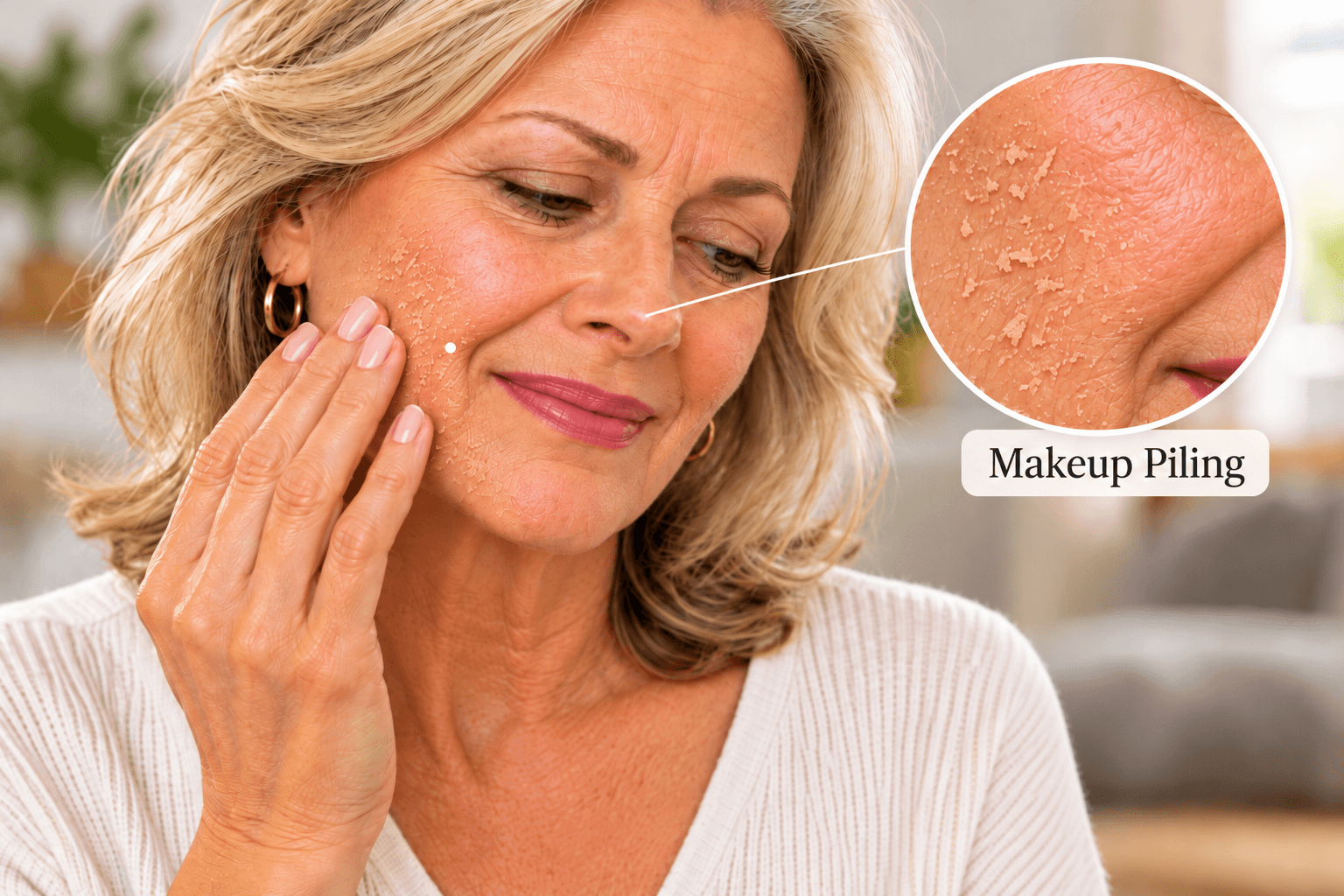
It can happen when certain skincare products, sunscreens, and makeup formulas don't work well together.
Since sunscreen is the last skincare step before makeup, choose a formula that blends smoothly and creates a comfortable base.
A few tips are to give your moisturizer time to absorb before applying sunscreen and allow your it to settle before adding foundation or concealer. For women who prefer a lighter makeup routine, a tinted sunscreen can offer another benefit.
Some formulas provide a subtle foundation-like effect, helping even out your complexion while reducing the need for additional coverage
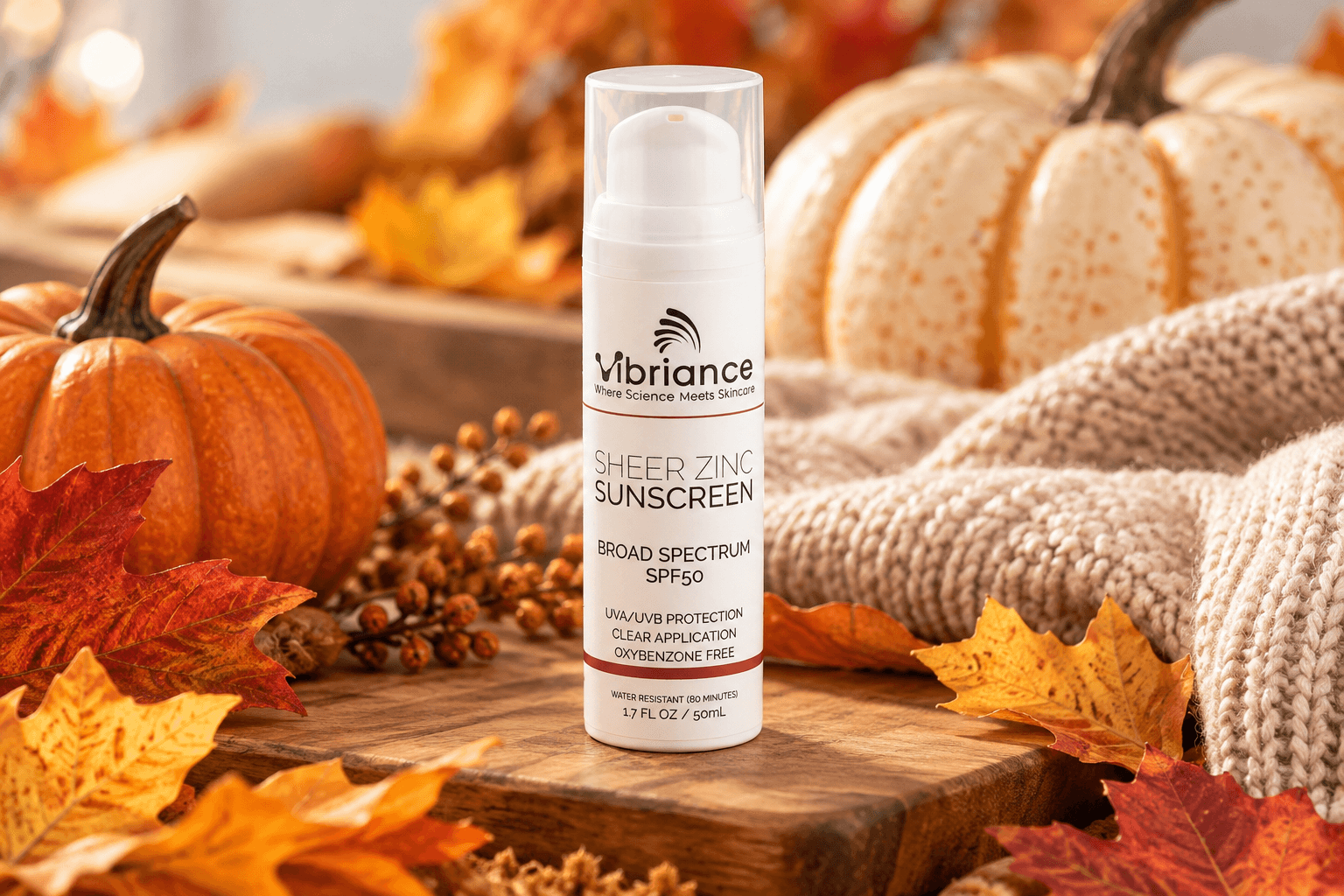
The Solution
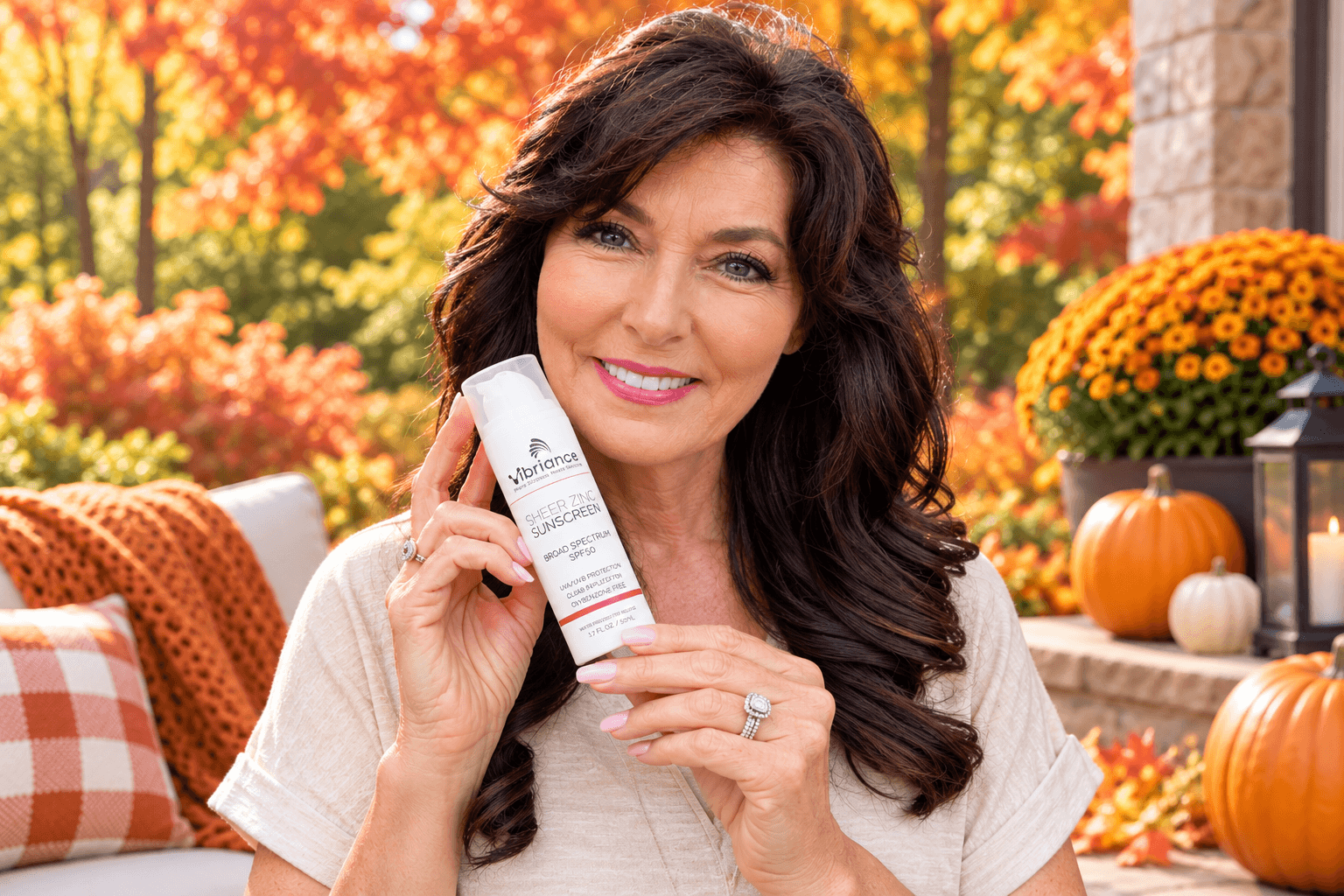
For everyday sun protection with a natural-looking finish, try Vibriance Sheer Zinc Sunscreen.
It offers broad-spectrum SPF 50 protection to help protect your skin from the sun.
The subtle tint also gives your complexion a light foundation-like finish. This makes it an appealing option for women who want to protect their skin without adding several heavy layers of makeup.
The subtle coverage can help create a more even-looking complexion while allowing your natural skin to show through.
Depending on your preferences, you may find that you need less foundation or only a little additional coverage in certain areas. It's an easy way to combine two everyday steps into one product, making your morning routine feel a little simpler.
And when sunscreen looks and feels comfortable, it's much easier to make sun protection a daily habit.
3. Consider How Sunscreen Looks on Skin
Protection may be the reason you wear sunscreen, yet its appearance can determine how much you enjoy using it.
You don’t want to look like you are wearing sunscreen; you want your skin to look fresh and natural.
As we age, changes in skin texture can make certain products settle into fine lines or emphasize areas of dryness.
A thick sunscreen that sits on top of the skin may draw attention to those areas rather than creating the smooth appearance you want.
When testing a new sunscreen, notice how easily it blends and how your skin looks after the product has settled. Does it leave a visible layer? Does it make dry patches stand out? Does your complexion look comfortable and natural?
Keep in mind that mineral sunscreens containing zinc oxide may leave a white cast, depending on their formulation and your skin tone.
Tinted options can help reduce that effect while creating a more even-looking complexion.
You want sunscreen that feels like a natural part of your daily routine, rather than another heavy layer sitting on your face.
4. Choose Makeup-Friendly Sunscreen
Have you ever finished applying your makeup only to notice that your foundation looks uneven or begins rolling into tiny flakes?
This is called pilling, and it can happen when certain skincare products, sunscreens, and makeup formulas don't work well together.
Since sunscreen is the last skincare step before makeup, choose a formula that blends smoothly and creates a comfortable base.
A few tips are to give your moisturizer time to absorb before applying sunscreen and allow your it to settle before adding foundation or concealer. For women who prefer a lighter makeup routine, a tinted sunscreen can offer another benefit.
Some formulas provide a subtle foundation-like effect, helping even out your complexion while reducing the need for additional coverage
The Solution: Vibriance Sheer Zinc Sunscreen
If you're looking for an everyday sunscreen that combines sun protection with a natural-looking finish, try Vibriance Sheer Zinc Sunscreen.
It offers broad-spectrum SPF 50 protection while providing a subtle tint that can give your complexion a light foundation-like effect.
This makes it an appealing option for women who want to protect their skin without adding several heavy layers of makeup.
The subtle coverage can help create a more even-looking complexion while allowing your natural skin to show through. Depending on your preferences, you may find that you need less foundation or only a little additional coverage in certain areas.
It's an easy way to combine two everyday steps into one product, making your morning routine feel a little simpler. And when sunscreen looks and feels comfortable, it's much easier to make sun protection a daily habit.
4. Choose Makeup-Friendly Sunscreen
Have you ever finished applying your makeup only to notice that your foundation looks uneven or begins rolling into tiny flakes?
This is called pilling, and it can happen when certain skincare products, sunscreens, and makeup formulas don't work well together.
Since sunscreen is the last skincare step before makeup, choose a formula that blends smoothly and creates a comfortable base.
A few tips are to give your moisturizer time to absorb before applying sunscreen and allow your it to settle before adding foundation or concealer.
For women who prefer a lighter makeup routine, a tinted sunscreen can offer another benefit.
Some formulas provide a subtle foundation-like effect, helping even out your complexion while reducing the need for additional coverage.
The Solution: Vibriance Sheer Zinc Sunscreen
If you're looking for an everyday sunscreen that combines sun protection with a natural-looking finish, try Vibriance Sheer Zinc Sunscreen.
It offers broad-spectrum SPF 50 protection while providing a subtle tint that can give your complexion a light foundation-like effect.
This makes it an appealing option for women who want to protect their skin without adding several heavy layers of makeup.
The subtle coverage can help create a more even-looking complexion while allowing your natural skin to show through.
Depending on your preferences, you may find that you need less foundation or only a little additional coverage in certain areas.
It's an easy way to combine two everyday steps into one product, making your morning routine feel a little simpler.
And when sunscreen looks and feels comfortable, it's much easier to make sun protection a daily habit.
CHECK OUT OUR MOST POPULAR CONTENT

5 Tips For Glowing Skin Over 50.

Beauty is Timeless... Not Flawless!

3 Ways To Embrace Aging.

5 Tips For Smooth Lips.

5 Tips For Living A 50+ And Fabulous Life!

3 Easy Steps for a Fresh Faced Look at Any Age.
10 Ways to DIY Your Spa Day at Home.