4 Signs You Need to Switch Your Sunscreen
“Beautiful skin isn’t about perfection. It’s about finding what truly works for you.”
Let me know if this sounds familiar. You wash your face, apply your serum, and love the way your skin looks and feels. Everything seems balanced, hydrated, and healthy.
Next, you apply sunscreen to protect your skin from the sun. But not long after, things start to change. Your skin begins to feel tight, dry, and uncomfortable. When you check the mirror, your complexion looks dull and uneven. You start applying makeup, only to find that it doesn’t sit quite right. Frustrated, you begin blaming everything else. Maybe it’s aging. Maybe your moisturizer isn’t rich enough.
Maybe your skin is changing. You consider replacing half your routine. You scan the beauty aisle for new serums and thicker creams. You scroll through skincare routines, hoping something will bring back that healthy glow. But nothing changes.
Day after day, your skin feels good before sunscreen—and worse afterward. Eventually, you may even start to wonder whether wearing sunscreen is worth it. If your skin feels great until sunscreen goes on, you’re not alone. Here are four clear signs your current sunscreen may not be the right fit—and why switching can make a real difference.
“Beautiful skin isn’t about perfection. It’s about finding what truly works for you.”
Let me know if this sounds familiar. You wash your face, apply your serum, and love the way your skin looks and feels. Everything seems balanced, hydrated, and healthy.
Next, you apply sunscreen to protect your skin from the sun. But not long after, things start to change. Your skin begins to feel tight, dry, and uncomfortable. When you check the mirror, your complexion looks dull and uneven. You start applying makeup, only to find that it doesn’t sit quite right. Frustrated, you begin blaming everything else. Maybe it’s aging. Maybe your moisturizer isn’t rich enough.
Maybe your skin is changing. You consider replacing half your routine. You scan the beauty aisle for new serums and thicker creams. You scroll through skincare routines, hoping something will bring back that healthy glow. But nothing changes.
Day after day, your skin feels good before sunscreen—and worse afterward. Eventually, you may even start to wonder whether wearing sunscreen is worth it. If your skin feels great until sunscreen goes on, you’re not alone. Here are four clear signs your current sunscreen may not be the right fit—and why switching can make a real difference.
“Beautiful skin isn’t about perfection. It’s about finding what truly works for you.”
Let me know if this sounds familiar. You wash your face, apply your serum, and love the way your skin looks and feels. Everything seems balanced, hydrated, and healthy.
Next, you apply sunscreen to protect your skin from the sun. But not long after, things start to change. Your skin begins to feel tight, dry, and uncomfortable.
When you check the mirror, your complexion looks dull and uneven. You start applying makeup, only to find that it doesn’t sit quite right.
Frustrated, you begin blaming everything else. Maybe it’s aging. Maybe your moisturizer isn’t rich enough.
Maybe your skin is changing. You consider replacing half your routine. You scan the beauty aisle for new serums and thicker creams.
You scroll through skincare routines, hoping something will bring back that healthy glow. But nothing changes.
Day after day, your skin feels good before sunscreen—and worse afterward. Eventually, you may even start to wonder whether wearing sunscreen is worth it.
If your skin feels great until sunscreen goes on, you’re not alone.
Here are four clear signs your current sunscreen may not be the right fit—and why switching can make a real difference.
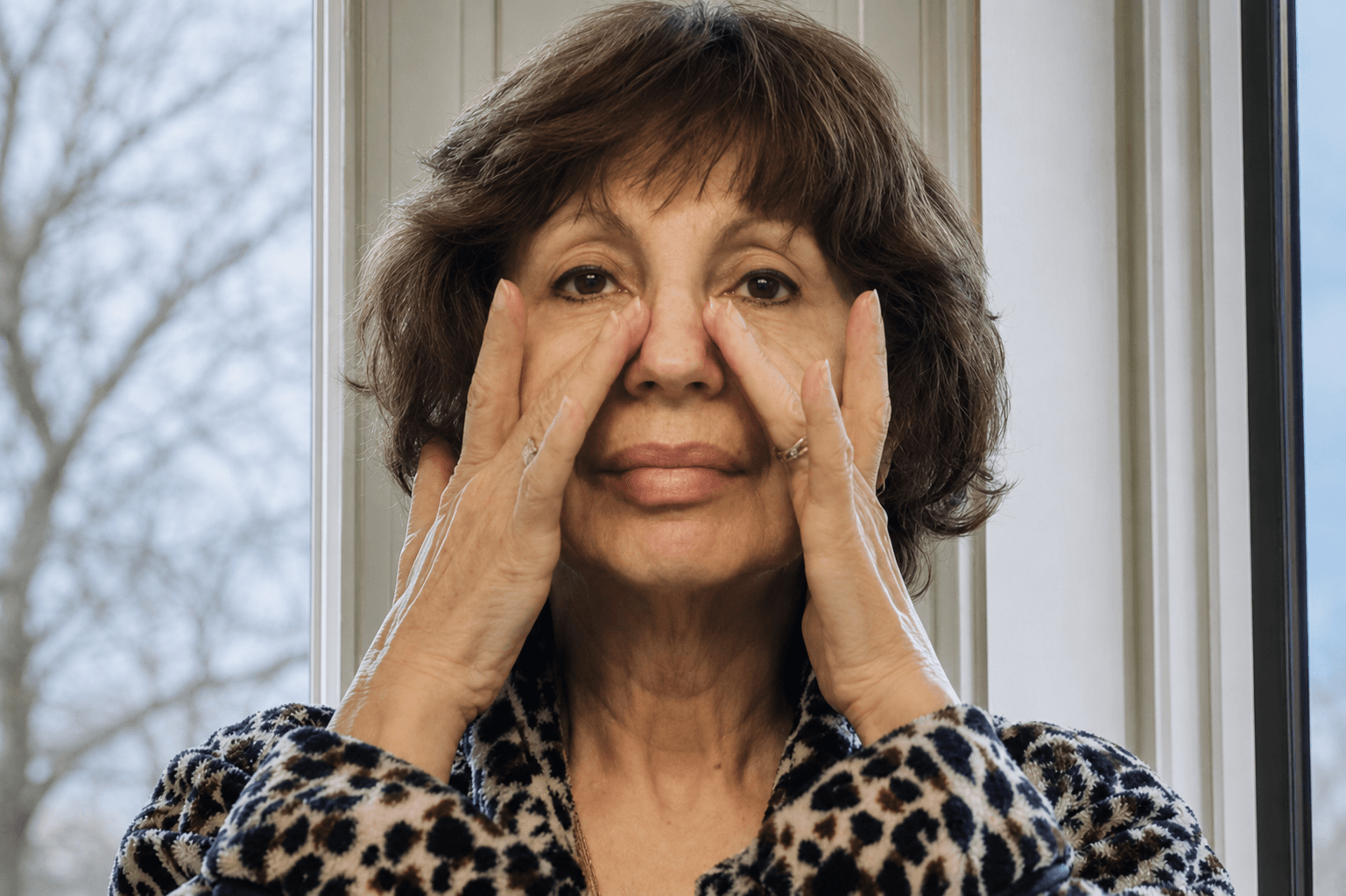
Sign #1: Tight, Dry, or Uncomfortable
If your skin feels fine before sunscreen but starts to feel tight, dry, or itchy shortly after, your formula may be too harsh for your skin.
You may notice dryness within minutes, visible dry patches by midday, and a complexion that looks dull instead of healthy and hydrated.
Some days, your skin may feel uncomfortable enough that you reach for extra moisturizer just to tolerate wearing sunscreen.
Over time, this discomfort can start to feel normal, but it shouldn’t. A good sunscreen should support your skin’s moisture barrier, not strip it away. If yours consistently leaves your skin feeling tight or irritated, it may be time to switch to something more nourishing and comfortable.
Sign #1: Your Skin Feels Tight,
If your skin feels fine before sunscreen but starts to feel tight, dry, or itchy shortly after, your formula may be too harsh for your skin.
You may notice dryness setting in within minutes.
Sign #1: Your Skin Feels Tight
If your skin feels fine before sunscreen but starts to feel tight, dry, or itchy shortly after, your formula may be too harsh for your skin.
You may notice dryness setting in within minutes. By midday, dry patches may look more visible, and your complexion may appear dull instead of healthy and hydrated.
Some days, your skin may feel uncomfortable enough that you reach for extra moisturizer just to tolerate wearing sunscreen.
Over time, this discomfort can start to feel normal, but it shouldn’t.
A good sunscreen should support your skin’s moisture barrier, not strip it away.
If yours consistently leaves your skin feeling tight or irritated, it may be time to switch to something more nourishing and comfortable.
By midday, dry patches may look more visible, and your complexion may appear dull instead of healthy and hydrated.
Some days, your skin may feel uncomfortable enough that you reach for extra moisturizer just to tolerate wearing sunscreen. Over time, this discomfort can start to feel normal, but it shouldn’t.
A good sunscreen should support your skin’s moisture barrier, not strip it away. If yours consistently leaves your skin feeling tight or irritated, it may be time to switch to something more nourishing and comfortable.
Sign #2: Your Skin Feels Reactive
If your sunscreen makes your skin sting, burn slightly, or feel “hot” after application, that reaction shouldn’t be ignored.
You may notice irritation around the nose and cheeks, watery or sensitive eyes, increased redness, or a lingering feeling that your skin is uncomfortable.
You might start avoiding your eye area, applying less product, or washing it off earlier than planned just to get relief.

Eventually, many people assume this sensitivity is just part of wearing sunscreen. It isn’t. A well-formulated sunscreen should feel gentle and calming on the skin. If yours consistently causes stinging, redness, or irritation, it’s a clear sign that your skin isn’t tolerating the formula—and that it may be time for a better option.
Sign #2: Feels Reactive
If your sunscreen makes your skin sting, burn slightly, or feel “hot” after application, that reaction shouldn’t be ignored.
You may notice irritation around the nose and cheeks.
Sign #2: Your Skin Feels Reactive When You Wear It
If your sunscreen makes your skin sting, burn slightly, or feel “hot” after application, that reaction shouldn’t be ignored.
You may notice irritation around the nose and cheeks, watery or sensitive eyes, increased redness, or a lingering feeling that your skin is uncomfortable.
You might start avoiding your eye area, applying less product, or washing it off earlier than planned just to get relief.
Eventually, many people assume this sensitivity is just part of wearing sunscreen. It isn’t. A well-formulated sunscreen should feel gentle and calming on the skin.
If yours consistently causes stinging, redness, or irritation, it’s a clear sign that your skin isn’t tolerating the formula—and that it may be time for a better option.
Your eyes may feel watery or sensitive, redness may increase, or your skin may feel uncomfortable for longer than usual.
You might start avoiding your eye area, applying less product, or washing it off earlier than planned just to get relief.
Eventually, many people assume this sensitivity is just part of wearing sunscreen. It isn’t. A well-formulated sunscreen should feel gentle and calming on the skin.
If yours consistently causes stinging, redness, or irritation, it’s a clear sign that your skin isn’t tolerating the formula—and that it may be time for a better option.

Sign #3: It Leaves a White Cast or Greasy Shine
If you hate how your sunscreen looks, you’re far less likely to apply enough—and that means less protection for your skin.
You may need a new formula if it leaves a stubborn white cast, makes your skin overly shiny within an hour, or turns your complexion pale, gray, or flat.
You may constantly feel like you need extra makeup to fix it or avoid being photographed.
If you apply less than you should because you hate the finish, that’s a clear sign it isn’t working for you. Whether it’s chalky, greasy, or just unflattering, a bad finish can turn daily sunscreen into a chore. The best sunscreen is the one you actually enjoy wearing.
Sign #3: It Leaves a White Cast or Greasy Shine
If you hate how your sunscreen looks, you’re far less likely to apply enough—and that means less protection for your skin.
You may need a new formula if it leaves a stubborn white cast, makes your skin overly shiny within an hour, or turns your complexion pale, gray, or flat.
If you constantly feel like you need extra makeup to fix it, avoid being photographed, or apply less than you should because you hate the finish, that’s a clear sign it isn’t working for you.
Whether it’s chalky, greasy, or just unflattering, a bad finish can turn daily sunscreen into a chore.
The best sunscreen is the one you actually enjoy wearing.
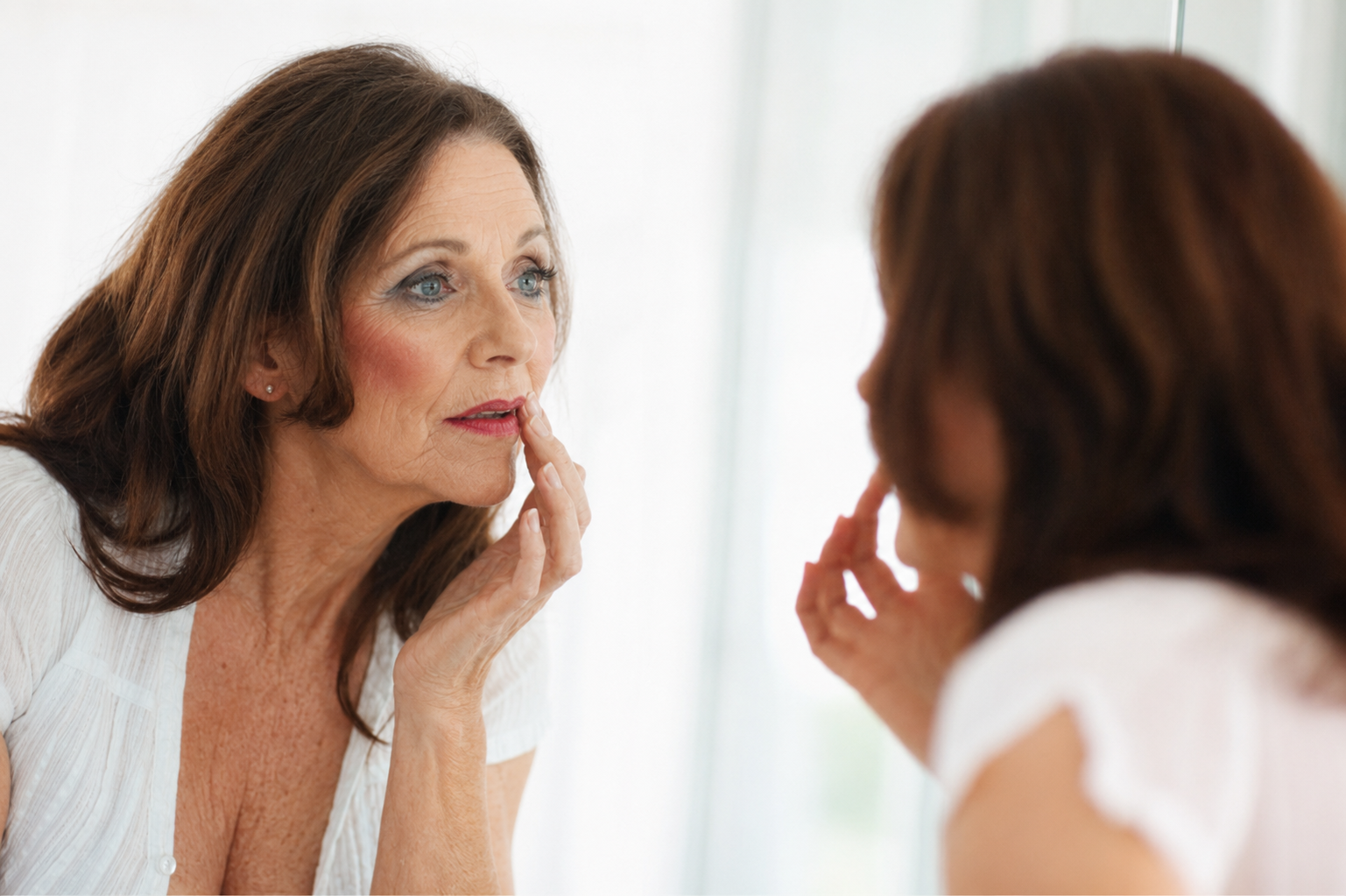
Sign #4: Your Makeup Looks Worse With It On
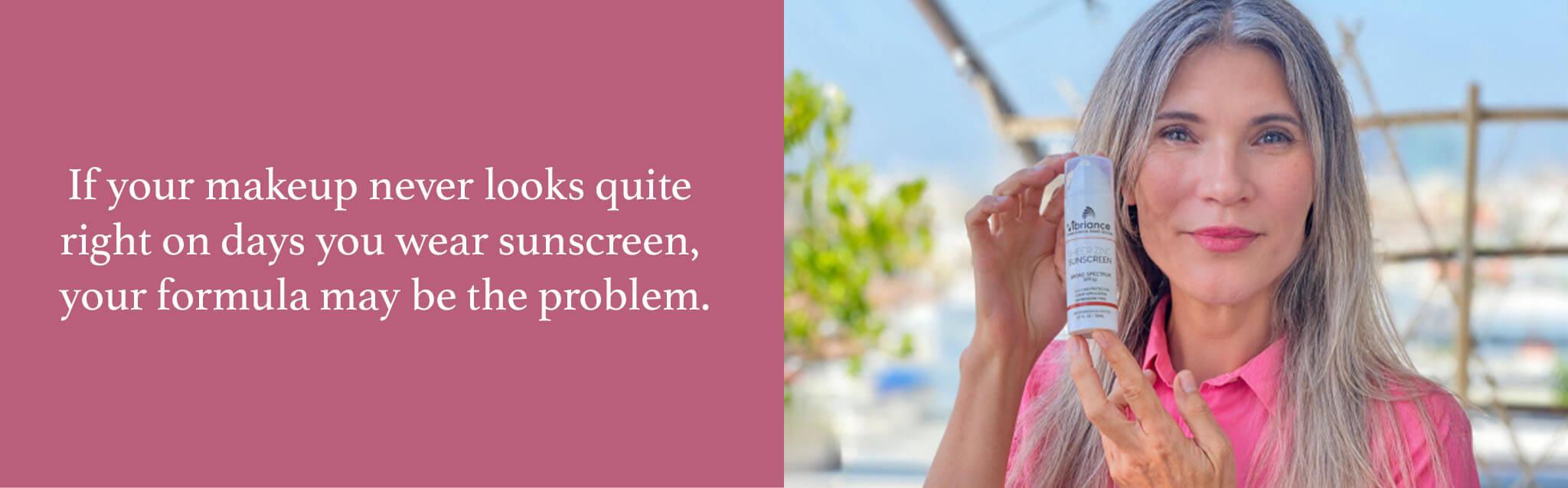
If your makeup never looks quite right on days you wear sunscreen, your formula may be the problem.
You may notice foundation pilling, patchiness around the mouth, nose, or cheeks, or your foundation separating into shiny and dry areas.
Instead of smoothing your skin, makeup clings to texture, slides around, or refuses to set properly.
No matter how carefully you apply it, everything seems to shift throughout the day. Over time, this becomes frustrating.
You spend more time blending, fixing, and touching up, wondering why your makeup looks better on days you skip sunscreen.
A good formula should create a smooth, balanced base that helps makeup apply evenly and last longer.
If your products constantly fight each other, it’s a clear sign that your sunscreen isn’t working with your routine—and that it may be time to switch.
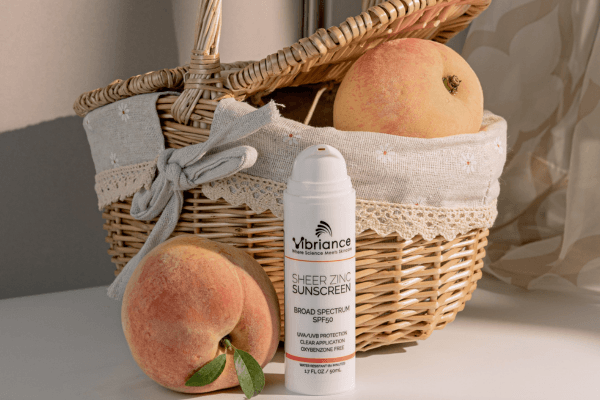
Why Sheer Zinc Sunscreen Is a Smart Switch
When sunscreen leaves your skin feeling dry, irritated, shiny, or difficult to work with, the problem usually isn’t you.
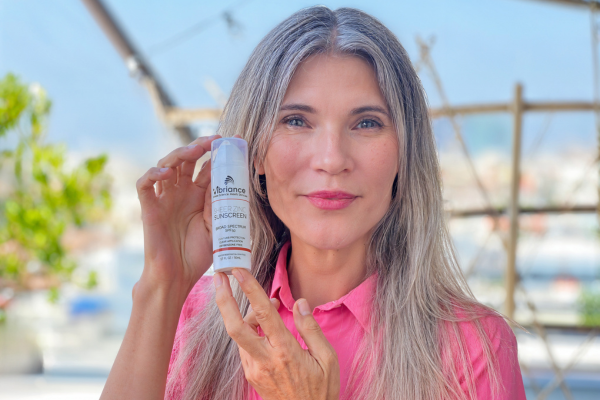
It’s the formula. This is where Vibriance Sheer Zinc Sunscreen is different.
Because it contains a soft tint, it helps neutralize the white cast that makes many mineral sunscreens hard to love.
Instead of looking chalky or gray, skin appears more even, balanced, and natural.
Its fragrance-free formula is perfect if you have sensitive or reactive skin. Without added scent, there’s less risk of irritation, stinging, or discomfort around the eyes and cheeks.
Vibriance Sheer Zinc Sunscreen is also more makeup-friendly than traditional sunscreens.
The lightweight, tinted finish creates a smoother base, allowing foundation and concealer to apply more evenly.
Instead of pilling, sliding, or clinging to dry patches, makeup is able to set and wear better throughout the day.
Finally, it’s made with skin-nourishing ingredients that help maintain comfort and hydration.
Rather than feeling heavy or drying, it supports the skin barrier and keeps your complexion feeling calm and balanced.
The result is sunscreen that feels more like skincare—and skincare that fits seamlessly into your routine.
Sign #3: White Cast
If you hate how your sunscreen looks, you’re far less likely to apply enough—and that means less protection for your skin.
You may need a new formula if it leaves a white cast or makes your skin shiny.
It may also turn your complexion pale, gray, or flat. You may constantly feel like you need extra makeup to fix it or avoid being photographed.
Whether it’s chalky, greasy, or just unflattering, a bad finish can turn daily sunscreen into a chore. The best sunscreen is the one you actually enjoy wearing.
Sign #4: Your Makeup Looks Worse With It
On If your makeup never looks quite right on days you wear sunscreen, your formula may be the problem.
You may notice foundation pilling, patchiness around the mouth, nose, or cheeks, or your foundation separating into shiny and dry areas.
Instead of smoothing your skin, makeup clings to texture, slides around, or refuses to set properly. No matter how carefully you apply it, everything seems to shift throughout the day.
Over time, this becomes frustrating. You spend more time blending, fixing, and touching up, wondering why your makeup looks better on days you skip sunscreen.
A good formula should create a smooth, balanced base that helps makeup apply evenly and last longer. If your products constantly fight each other, it’s a clear sign that your sunscreen isn’t working with your routine—and that it may be time to switch.
Sign #4: Makeup Looks Worse
On If your makeup never looks quite right on days you wear sunscreen, your formula may be the problem.
You may notice foundation pilling or patchiness around the mouth, nose, or cheeks.
Your foundation may also separate into shiny and dry areas. Instead of smoothing your skin, makeup clings to texture, slides around, or refuses to set properly.
No matter how carefully you apply it, everything seems to shift throughout the day. Over time, this becomes frustrating. You spend more time blending, fixing, and touching up, wondering why your makeup looks better on days you skip sunscreen.
A good formula should create a smooth, balanced base that helps makeup apply evenly and last longer. If your products constantly fight each other, it’s a clear sign that your sunscreen isn’t working with your routine—and that it may be time to switch.
Sheer Zinc Sunscreen
When sunscreen leaves your skin feeling dry, irritated, shiny, or difficult to work with, the problem usually isn’t you. It’s the formula.
This is where Vibriance Sheer Zinc Sunscreen is different.
Why Sheer Zinc Sunscreen Is a Smart Switch
When sunscreen leaves your skin feeling dry, irritated, shiny, or difficult to work with, the problem usually isn’t you. It’s the formula.
This is where Vibriance Sheer Zinc Sunscreen is different. Because it contains a soft tint, it helps neutralize the white cast that makes many mineral sunscreens hard to love.
Instead of looking chalky or gray, skin appears more even, balanced, and natural.
Its fragrance-free formula is perfect if you have sensitive or reactive skin. Without added scent, there’s less risk of irritation, stinging, or discomfort around the eyes and cheeks. Vibriance Sheer Zinc Sunscreen is also more makeup-friendly than traditional sunscreens.
The lightweight, tinted finish creates a smoother base, allowing foundation and concealer to apply more evenly. Instead of pilling, sliding, or clinging to dry patches, makeup is able to set and wear better throughout the day. Finally, it’s made with skin-nourishing ingredients that help maintain comfort and hydration.
Rather than feeling heavy or drying, it supports the skin barrier and keeps your complexion feeling calm and balanced. The result is sunscreen that feels more like skincare—and skincare that fits seamlessly into your routine.
Because it contains a soft tint, it helps neutralize the white cast that makes many mineral sunscreens hard to love. Instead of looking chalky or gray, skin appears more even, balanced, and natural.
Its fragrance-free formula is perfect if you have sensitive or reactive skin. Without added scent, there’s less risk of irritation, stinging, or discomfort around the eyes and cheeks. Vibriance Sheer Zinc Sunscreen is also more makeup-friendly than traditional sunscreens.
The lightweight, tinted finish creates a smoother base, allowing foundation and concealer to apply more evenly. Instead of pilling, sliding, or clinging to dry patches, makeup is able to set and wear better throughout the day.
Finally, it’s made with skin-nourishing ingredients that help maintain comfort and hydration. Rather than feeling heavy or drying, it supports the skin barrier and keeps your complexion feeling calm and balanced. The result is sunscreen that feels more like skincare—and skincare that fits seamlessly into your routine.
CHECK OUT OUR MOST POPULAR CONTENT

5 Tips For Glowing Skin Over 50.

Beauty is Timeless... Not Flawless!

3 Ways To Embrace Aging.

5 Tips For Smooth Lips.

5 Tips For Living A 50+ And Fabulous Life!

3 Easy Steps for a Fresh Faced Look at Any Age.
10 Ways to DIY Your Spa Day at Home.