How Hormones Affect Your Skin After 50

"Nothing makes a woman more beautiful than the belief that she is beautiful." — Sophia Loren
When I reached my 50s, I thought my days of struggling with problem skin were finally behind me. Since my teenage years, I battled oily skin and acne—constantly chasing that next “miracle fix” for clear, glowing skin.
You know, the kind some people are lucky enough to be born with, and others only seem to have thanks to a filter or a magazine cover. I was never the type to spend hours in front of a mirror or pile on makeup to cover things up. Eventually, I learned to accept my skin and make peace with what I saw. But just when I thought I had it all figured out, a whole new set of challenges arrived.
The carefree days of sunbathing without sunscreen and indulging in less-than-healthy foods began to catch up with me. I became more mindful of what I was putting in my body and what I was putting on my skin.
I started cleansing my face regularly, moisturizing, and finally took SPF seriously. But even with all that effort, something still felt off. My skin started to change. It was drier, a bit dull, and didn’t bounce back the way it used to.
The firmness I’d taken for granted had started to fade, and the fine lines were settling in. If you’ve been wondering, What’s going on with my skin?, you’re not alone. And the answer is simpler than you think: hormones. As estrogen levels drop during and after menopause, they take with them many of the things that once kept your skin looking smooth, hydrated, and youthful.
It’s not in your head, and it’s not something you’re doing wrong—it’s a natural, biological shift. And once you understand what’s happening, you can finally start giving your skin what it really needs.
"Nothing makes a woman more beautiful than the belief that she is beautiful." — Sophia Loren
When I reached my 50s, I thought my days of struggling with problem skin were finally behind me. Since my teenage years, I battled oily skin and acne—constantly chasing that next “miracle fix” for clear, glowing skin.
You know, the kind some people are lucky enough to be born with, and others only seem to have thanks to a filter or a magazine cover. I was never the type to spend hours in front of a mirror or pile on makeup to cover things up. Eventually, I learned to accept my skin and make peace with what I saw. But just when I thought I had it all figured out, a whole new set of challenges arrived.
The carefree days of sunbathing without sunscreen and indulging in less-than-healthy foods began to catch up with me. I became more mindful of what I was putting in my body and what I was putting on my skin.
I started cleansing my face regularly, moisturizing, and finally took SPF seriously. But even with all that effort, something still felt off. My skin started to change. It was drier, a bit dull, and didn’t bounce back the way it used to.
The firmness I’d taken for granted had started to fade, and the fine lines were settling in. If you’ve been wondering, What’s going on with my skin?, you’re not alone. And the answer is simpler than you think: hormones. As estrogen levels drop during and after menopause, they take with them many of the things that once kept your skin looking smooth, hydrated, and youthful.
It’s not in your head, and it’s not something you’re doing wrong—it’s a natural, biological shift. And once you understand what’s happening, you can finally start giving your skin what it really needs.
"Nothing makes a woman more beautiful than the belief that she is beautiful." — Sophia Loren
When I reached my 50s, I thought my days of struggling with problem skin were finally behind me. Since my teenage years, I battled oily skin and acne—constantly chasing that next “miracle fix” for clear, glowing skin.
You know, the kind some people are lucky enough to be born with, and others only seem to have thanks to a filter or a magazine cover.
I was never the type to spend hours in front of a mirror or pile on makeup to cover things up. Eventually, I learned to accept my skin and make peace with what I saw.
But just when I thought I had it all figured out, a whole new set of challenges arrived.
The carefree days of sunbathing without sunscreen and indulging in less-than-healthy foods began to catch up with me.
I became more mindful of what I was putting in my body and what I was putting on my skin.
I started cleansing my face regularly, moisturizing, and finally took SPF seriously. But even with all that effort, something still felt off. My skin started to change. It was drier, a bit dull, and didn’t bounce back the way it used to.
The firmness I’d taken for granted had started to fade, and the fine lines were settling in.
If you’ve been wondering, What’s going on with my skin?, you’re not alone. And the answer is simpler than you think: hormones.
As estrogen levels drop during and after menopause, they take with them many of the things that once kept your skin looking smooth, hydrated, and youthful.
It’s not in your head, and it’s not something you’re doing wrong—it’s a natural, biological shift.
And once you understand what’s happening, you can finally start giving your skin what it really needs.
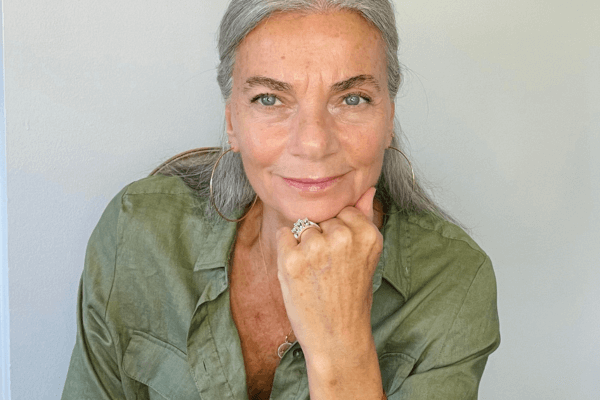
What’s Happening Beneath the Surface?
Estrogen has quietly been doing a lot of work for your skin over the years. It helps maintain collagen and elastin—the proteins that give skin its bounce and firmness.
When estrogen starts to decline, so do those structural supports. That’s when we start noticing more sagging, fine lines, and crepey texture.
At the same time, your skin becomes thinner and loses its ability to hold moisture like it used to.
You might notice tightness or flakiness, even after applying your favorite cream. Oil production slows, and the natural cell turnover process—the one that kept your complexion fresh and glowing—also begins to lag.
What you’re left with is skin that looks dull, uneven, or just plain tired. And while it may feel like it all happened overnight, it’s actually the result of gradual hormonal shifts.
Once you recognize that, you can stop blaming yourself—or your skincare—and start making choices that actually work for the skin you have now.
Beneath the Surface
Estrogen has quietly been doing a lot of work for your skin over the years.
It helps maintain collagen and elastin—the proteins that give skin its bounce and firmness.
What’s Happening Beneath the Surface?
Estrogen has quietly been doing a lot of work for your skin over the years. It helps maintain collagen and elastin—the proteins that give skin its bounce and firmness.
When estrogen starts to decline, so do those structural supports. That’s when we start noticing more sagging, fine lines, and crepey texture.
At the same time, your skin becomes thinner and loses its ability to hold moisture like it used to.
You might notice tightness or flakiness, even after applying your favorite cream.
Oil production slows, and the natural cell turnover process—the one that kept your complexion fresh and glowing—also begins to lag.
What you’re left with is skin that looks dull, uneven, or just plain tired. And while it may feel like it all happened overnight, it’s actually the result of gradual hormonal shifts.
Once you recognize that, you can stop blaming yourself—or your skincare—and start making choices that actually work for the skin you have now.
When estrogen starts to decline, so do those structural supports. That’s when we start noticing more sagging, fine lines, and crepey texture.
At the same time, your skin becomes thinner and loses its ability to hold moisture like it used to. You might notice tightness or flakiness, even after applying your favorite cream. Oil production slows, and the natural cell turnover process—the one that kept your complexion fresh and glowing—also begins to lag.
What you’re left with is skin that looks dull, uneven, or just plain tired. And while it may feel like it all happened overnight, it’s actually the result of gradual hormonal shifts.
Once you recognize that, you can stop blaming yourself—or your skincare—and start making choices that actually work for the skin you have now.
Signs of Hormonal Changes
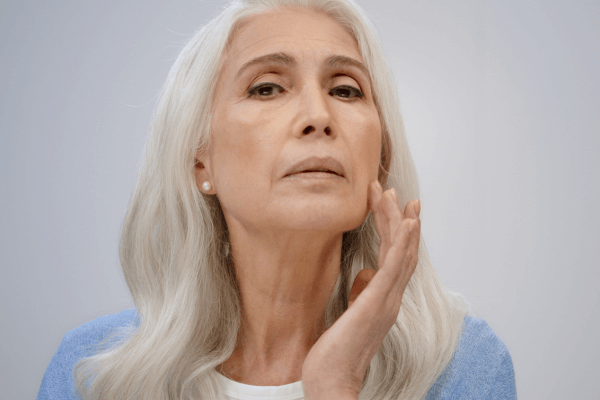
You might be noticing more pronounced fine lines, especially around your mouth and eyes. Maybe your skin feels dry no matter what you try.
Or perhaps your complexion has lost that healthy glow you once counted on. You may have new patches of uneven tone or age spots or feel like your jawline isn’t as defined as it used to be.
These aren’t random changes. Your skin is asking for a different kind of care.
Signs of Hormonal Changes
You might be noticing more pronounced fine lines, especially around your mouth and eyes.
Maybe your skin feels dry no matter what you try.
Signs of Hormonal Changes
You might be noticing more pronounced fine lines, especially around your mouth and eyes. Maybe your skin feels dry no matter what you try.
Or perhaps your complexion has lost that healthy glow you once counted on.
You may have new patches of uneven tone or age spots or feel like your jawline isn’t as defined as it used to be.
These aren’t random changes. Your skin is asking for a different kind of care.
Or perhaps your complexion has lost that healthy glow you once counted on. You may have new patches of uneven tone or age spots or feel like your jawline isn’t as defined as it used to be. These aren’t random changes. Your skin is asking for a different kind of care.
Give Your Skin What it Needs
It needs more than just basic hydration. It needs moisture that reaches deeper and ingredients that help your skin keep that moisture throughout the day.
Antioxidants, especially Vitamin C, become essential.
They help support collagen production, even out skin tone, and protect your skin from environmental stress. Gentle exfoliation is also key.
Nothing too harsh—your skin is more delicate now—but a regular exfoliating routine can help boost cell turnover and bring back your glow. And if your skin feels looser or less firm, it’s time to introduce ingredients that support elasticity—gently and effectively.
Give Your Skin What it Needs
It needs more than just basic hydration. It needs moisture that reaches deeper and ingredients that help your skin keep that moisture throughout the day.
Antioxidants, especially Vitamin C, become essential.
They help support collagen production, even out skin tone, and protect your skin from environmental stress. Gentle exfoliation is also key.
Nothing too harsh—your skin is more delicate now—but a regular exfoliating routine can help boost cell turnover and bring back your glow.
And if your skin feels looser or less firm, it’s time to introduce ingredients that support elasticity—gently and effectively.
Vibriance Products Help Your Skin Through Hormonal Changes
At Vibriance, we know that skin after 50 isn’t something to “fix”—it’s something to care for, respect, and support through its changes.
Vibriance Moisturizing Cream is one of the best steps you can take for dry, hormonally-changed skin.
It’s lightweight, nourishing, and absorbs beautifully, restoring moisture and helping strengthen your skin barrier.
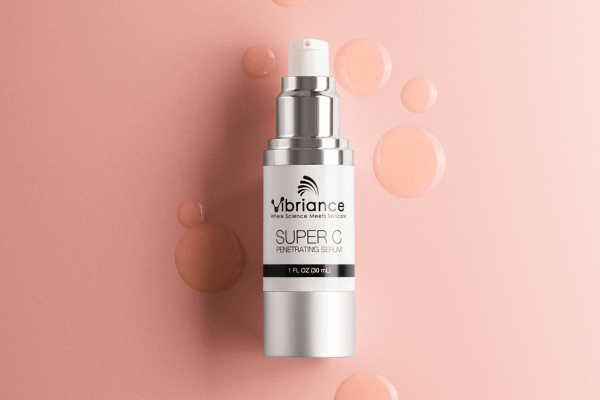
Your skin feels soothed, smooth, and hydrated without any heaviness. Vibriance Super C Serum is a must if your skin feels dull or has lost its firmness.
With stabilized Vitamin C, it helps brighten your complexion, support collagen, and improve texture so you can get back that radiant look.
And for a gentle nudge in the right direction, Vibriance Retinol Serum helps encourage cell renewal without irritation. It works over time to soften the look of lines and age spots, revealing smoother, more even-toned skin.
Bonus Tips for Extra Selfcare
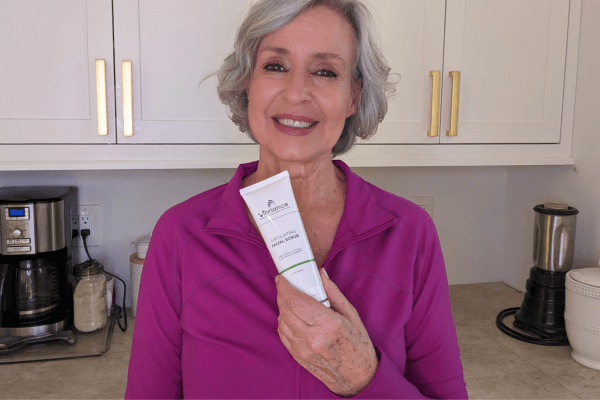
Be kind to your skin. Skip the harsh scrubs and drying cleansers. Instead, try something like Vibriance Exfoliating Facial Scrub a few times a week to unclog pores and keep your skin feeling fresh and smooth.
Make SPF a daily habit, even when it’s cloudy. Hormone-affected skin is more sensitive to sun exposure.
Vibriance Sheer Zinc Sunscreen gives you broad-spectrum protection with a hint of tint and added moisture to even out your complexion.
And don’t forget—what’s happening inside shows up on your skin too.
Drink plenty of water, eat omega-rich foods like walnuts and flaxseeds, and pay attention to your sleep and stress levels.
Hormones respond to your lifestyle, so things like movement and mindfulness make a real difference.

The Bottom Line
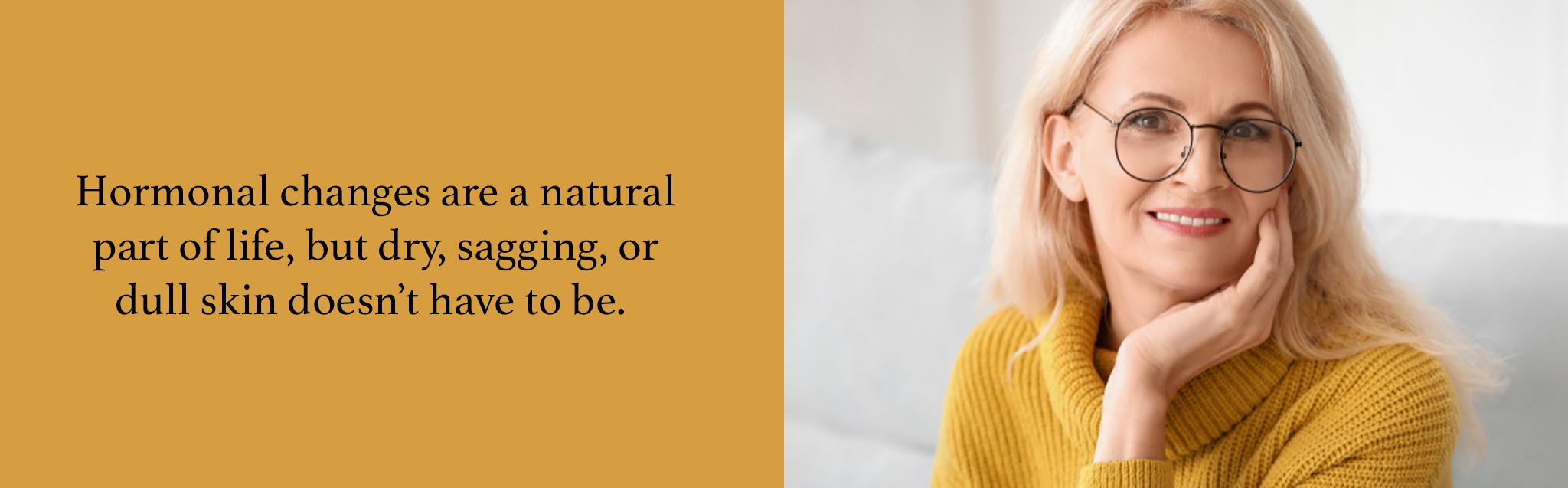
Hormonal changes are a natural part of life, but dry, sagging, or dull skin doesn’t have to be.
With the right products and a little patience, you can support your skin through this chapter and help it look and feel its best.
At Vibriance, we believe in celebrating your skin, not fighting it. Every change, every line, every shift is part of your story.
You deserve skincare that meets you where you are and helps you feel confident every step of the way. Cheers to Positive Aging!
Give Your Skin What it Needs
It needs more than just basic hydration. It needs moisture that reaches deeper and ingredients that help your skin keep that moisture throughout the day.
Antioxidants, especially Vitamin C, become essential. They help support collagen production, even out skin tone, and protect your skin from environmental stress. Gentle exfoliation is also key.
Nothing too harsh—your skin is more delicate now—but a regular exfoliating routine can help boost cell turnover and bring back your glow.
And if your skin feels looser or less firm, it’s time to introduce ingredients that support elasticity—gently and effectively.
Vibriance Products Help Your Skin Through Hormonal Changes
At Vibriance, we know that skin after 50 isn’t something to “fix”—it’s something to care for, respect, and support through its changes.
Vibriance Moisturizing Cream is one of the best steps you can take for dry, hormonally-changed skin.
It’s lightweight, nourishing, and absorbs beautifully, restoring moisture and helping strengthen your skin barrier.
Your skin feels soothed, smooth, and hydrated without any heaviness. Vibriance Super C Serum is a must if your skin feels dull or has lost its firmness. With stabilized Vitamin C, it helps brighten your complexion, support collagen, and improve texture so you can get back that radiant look.
And for a gentle nudge in the right direction, Vibriance Retinol Serum helps encourage cell renewal without irritation. It works over time to soften the look of lines and age spots, revealing smoother, more even-toned skin.
Help Your Skin Through Hormonal Changes
At Vibriance, we know that skin after 50 isn’t something to “fix”—it’s something to care for, respect, and support through its changes.
Vibriance Moisturizing Cream is one of the best steps you can take for dry, hormonally-changed skin.
It’s lightweight, nourishing, and absorbs beautifully, restoring moisture and helping strengthen your skin barrier. Your skin feels soothed, smooth, and hydrated without any heaviness. Vibriance Super C Serum is a must if your skin feels dull or has lost its firmness.
With stabilized Vitamin C, it helps brighten your complexion, support collagen, and improve texture so you can get back that radiant look.
And for a gentle nudge in the right direction, Vibriance Retinol Serum helps encourage cell renewal without irritation. It works over time to soften the look of lines and age spots, revealing smoother, more even-toned skin.
Bonus Tips for Extra Selfcare
Be kind to your skin. Skip the harsh scrubs and drying cleansers.
Instead, try something like Vibriance Exfoliating Facial Scrub a few times a week to unclog pores and keep your skin feeling fresh and smooth.
Bonus Tips for Extra Selfcare
Be kind to your skin. Skip the harsh scrubs and drying cleansers. Instead, try something like Vibriance Exfoliating Facial Scrub a few times a week to unclog pores and keep your skin feeling fresh and smooth.
Make SPF a daily habit, even when it’s cloudy. Hormone-affected skin is more sensitive to sun exposure.
Vibriance Sheer Zinc Sunscreen gives you broad-spectrum protection with a hint of tint and added moisture to even out your complexion.
And don’t forget—what’s happening inside shows up on your skin too. Drink plenty of water, eat omega-rich foods like walnuts and flaxseeds, and pay attention to your sleep and stress levels. Hormones respond to your lifestyle, so things like movement and mindfulness make a real difference.
The Bottom Line
Hormonal changes are a natural part of life, but dry, sagging, or dull skin doesn’t have to be.
With the right products and a little patience, you can support your skin through this chapter and help it look and feel its best.
At Vibriance, we believe in celebrating your skin, not fighting it. Every change, every line, every shift is part of your story.
You deserve skincare that meets you where you are and helps you feel confident every step of the way. Cheers to Positive Aging!
The Bottom Line
Hormonal changes are a natural part of life, but dry, sagging, or dull skin doesn’t have to be.
With the right products and patience, you can help your skin look and feel its best.
At Vibriance, we believe in celebrating your skin, not fighting it. Every change, every line, every shift is part of your story.
You deserve skincare that meets you where you are and helps you feel confident every step of the way. Cheers to Positive Aging!
CHECK OUT OUR MOST POPULAR CONTENT
5 Tips For Glowing Skin Over 50.

Beauty is Timeless... Not Flawless!

3 Ways To Embrace Aging.

5 Tips For Smooth Lips.

5 Tips For Living A 50+ And Fabulous Life!
3 Easy Steps for a Fresh Faced Look at Any Age.
10 Ways to DIY Your Spa Day at Home.